Document of
The World Bank
Public Disclosure Authorized
Report No: ICR00001061
IMPLEMENTATION COMPLETION AND RESULTS REPORT
(IDA-33470 TF-23752)
ON A
Public Disclosure Authorized
CREDIT
IN THE AMOUNT OF SDR 5.5 MILLION
(US$ 7.6 MILLION EQUIVALENT)
AND A
GLOBAL ENVIRONMENTAL FACILITY GRANT
IN THE AMOUNT OF SDR 1.8 MILLION (US$ 2.5 MILLION EQUIVALENT)
TO
GEORGIA
Public Disclosure Authorized
FOR AN
AGRICULTURAL RESEARCH, EXTENSION AND TRAINING PROJECT
June 23, 2009
Public Disclosure Authorized
Sustainable Development Department
Europe and Central Asia Region
CURRENCY EQUIVALENTS
Exchange Rate Effective
June 22, 2009
Currency Unit = Lari
Lari 1.00 = US$ 0.60
US$ 1.00 = Lari 1.66
FISCAL YEAR
January 1 December 31
ABBREVIATIONS AND ACRONYMS
ADP
Agricultural Development Project
ADPCC
Agricultural Development Project Coordination Center
AKS
Agricultural Knowledge System
ARET
Agriculture Research, Extension and Training
ARS
Agricultural Research System
BGD Biogas
Digesters
CAS
Country Assistance Strategy
CGB
Competitive Grant Board
CGS
Competitive Grant Scheme
DO Development
Objective
EPC
Environmental Pollution Control
GDP
Gross Domestic Product
GEF
Global Environment Facility
GEO
Global Environmental Objective
GOG
Government of Georgia
ICR
Implementation Completion Report
IDA International
Development
Association
IMC Inter-Ministerial
Commission
IVHO Institute
for
Viticulture, Horticulture and Oenology
M&E
Monitoring and Evaluation
MoA
Ministry of Agriculture
NGO Non-Governmental
Organization
PAD
Project Appraisal Document
PDO
Project Development Objective
PMU
Project Management Unit
TF Trust
Fund
WB World
Bank
Vice President: Shigeo Katsu
Country Director: Asad Alam
Sector Manager: Dina Umali-Deninger
Project Team Leader: Darejan Kapanadze
ICR Team Leader: Daniel Gerber
GEORGIA
Agricultural Research, Extension and Training Project
CONTENTS
Data Sheet
A. Basic Information
B. Key Dates
C. Ratings Summary
D. Sector and Theme Codes
E. Bank Staff
F. Results Framework Analysis
G. Ratings of Project Performance in ISRs
H. Restructuring
I. Disbursement Graph
1. Project Context, Development and Global Environment Objectives Design ............. 1
2. Key Factors Affecting Implementation and Outcomes .............................................. 7
3. Assessment of Outcomes .......................................................................................... 14
4. Assessment of Risk to Development Outcome and Global Environment Outcome 22
5. Assessment of Bank and Borrower Performance ..................................................... 22
6. Lessons Learned ....................................................................................................... 24
7. Comments on Issues Raised by Borrower/Implementing Agencies/Partners .......... 26
Annex 1. Project Costs and Financing .......................................................................... 27
Annex 2. Outputs by Component ................................................................................. 29
Annex 3. Economic and Financial Analysis ................................................................. 35
Annex 4. Bank Lending and Implementation Support/Supervision Processes ............ 38
Annex 5. Beneficiary Survey Results ........................................................................... 40
Annex 6. Stakeholder Workshop Report and Results ................................................... 42
Annex 7. Summary of Borrower's ICR and/or Comments on Draft ICR .................... 44
Annex 8. Comments of Cofinanciers and Other Partners/Stakeholders ....................... 53
Annex 9. List of Supporting Documents ...................................................................... 54
Annex 10. Additional Information ............................................................................... 55
MAP
A. Basic Information
Agricultural Research,
Country: Georgia Project
Name:
Extension & Training
Project
Project ID:
P065715,P064091
L/C/TF Number(s):
IDA-33470,TF-23752
ICR Date:
06/23/2009
ICR Type:
Core ICR
GOVERNMENT OF
Lending Instrument:
SIL,SIL
Borrower:
GEORGIA
Original Total
XDR 5.5M,USD 2.5M Disbursed Amount:
XDR 5.5M,USD 2.5M
Commitment:
Environmental Category: C,C
Focal Area: I
Implementing Agencies:
Ministry of Agriculture
Cofinanciers and Other External Partners:
B. Key Dates
Agricultural Research, Extension & Training Project - P065715
Revised / Actual
Process
Date
Process
Original Date
Date(s)
Concept Review:
02/10/1999
Effectiveness:
02/05/2001
Appraisal:
09/26/1999
Restructuring(s):
Approval:
05/11/2000
Mid-term Review:
04/25/2003
Closing:
12/31/2005
06/30/2008
Agricultural Research, Extension and Training GEF Project - P064091
Revised / Actual
Process
Date
Process
Original Date
Date(s)
Concept Review:
02/10/1999
Effectiveness:
02/19/2001
02/05/2001
Appraisal:
09/26/1999
Restructuring(s):
Approval:
05/11/2000
Mid-term Review:
04/25/2003
Closing:
12/31/2005
06/30/2008
C. Ratings Summary
C.1 Performance Rating by ICR
Outcomes
Moderately Satisfactory
GEO Outcomes
Moderately Satisfactory
Risk to Development Outcome
Moderate
i
Risk to GEO Outcome
Moderate
Bank Performance
Moderately Satisfactory
Borrower Performance
Moderately Satisfactory
C.2 Detailed Ratings of Bank and Borrower Performance (by ICR)
Bank
Ratings
Borrower
Ratings
Quality at Entry
Moderately Satisfactory Government: Moderately
Satisfactory
Implementing
Quality of Supervision:
Satisfactory
Satisfactory
Agency/Agencies:
Overall Bank
Overall Borrower
Moderately Satisfactory
Moderately Satisfactory
Performance
Performance
C.3 Quality at Entry and Implementation Performance Indicators
Agricultural Research, Extension & Training Project - P065715
Implementation
QAG Assessments
Indicators
Rating:
Performance
(if any)
Potential Problem Project
Quality at Entry
No
None
at any time (Yes/No):
(QEA)
Problem Project at any
Quality of
No
None
time (Yes/No):
Supervision (QSA)
DO rating before
Satisfactory
Closing/Inactive status
Agricultural Research, Extension and Training GEF Project - P064091
Implementation
QAG Assessments
Indicators
Rating:
Performance
(if any)
Potential Problem Project
Quality at Entry
No
None
at any time (Yes/No):
(QEA)
Problem Project at any
Quality of
No
None
time (Yes/No):
Supervision (QSA)
GEO rating before
Satisfactory
Closing/Inactive Status
D. Sector and Theme Codes
Agricultural Research, Extension & Training Project - P065715
Original
Actual
Sector Code (as % of total Bank financing)
Agricultural extension and research
91
92
Central government administration
9
8
ii
Theme Code (as % of total Bank financing)
Participation and civic engagement
25
Rural markets
25
9
Rural services and infrastructure
25
21
Technology diffusion
25
70
Agricultural Research, Extension and Training GEF Project - P064091
Original
Actual
Sector Code (as % of total Bank financing)
Agricultural extension and research
37
52
Central government administration
9
Micro- and SME finance
54
48
Theme Code (as % of total Bank financing)
Infrastructure services for private sector development
25
Pollution management and environmental health
25
35
Rural services and infrastructure
25
30
Technology diffusion
25
35
E. Bank Staff
Agricultural Research, Extension & Training Project - P065715
Positions
At ICR
At Approval
Vice President:
Shigeo Katsu
Johannes F. Linn
Country Director:
Asad Alam
Judy M. O'Connor
Sector Manager:
Dina Umali-Deininger
John A. Hayward
Project Team Leader:
Daniel P. Gerber
Iain G. Shuker
ICR Team Leader:
Daniel P. Gerber
ICR Primary Author:
Daniel P. Gerber
Agricultural Research, Extension and Training GEF Project - P064091
Positions
At ICR
At Approval
Vice President:
Shigeo Katsu
Johannes F. Linn
Country Director:
Asad Alam
Judy M. O'Connor
Sector Manager:
Dina Umali-Deininger
John A. Hayward
Project Team Leader:
Daniel P. Gerber
Jitendra P. Srivastava
ICR Team Leader:
Daniel P. Gerber
ICR Primary Author:
Daniel P. Gerber
iii
F. Results Framework Analysis
Project Development Objectives (from Project Appraisal Document)
The Overall Development Objective of the Project is to assist the Government of
Georgia develop an efficient and cost-effective agricultural knowledge system to
demonstrate, disseminate and promote the adoption of appropriate technologies that
increase sustainable agricultural production and reduce pollution of natural resources. In
support of this objective, the Project would assist the Government of Georgia to: (i) put in
place a Competitive Grant Scheme for agriculture; (ii) support Reform of the Agricultural
Research System; and (iii) invest in Environmental Pollution Control (manure storage
and handling facilities and biogas digesters, as well as soil and water quality monitoring
programs) on a pilot basis to reduce agricultural nutrient pollution of the Black Sea.
Revised Project Development Objectives (as approved by original approving authority)
While indicators were modified, the PDO was not revised
Global Environment Objectives (from Project Appraisal Document)
The Project will initiate measures aimed at improving on-farm environmental practices,
which, over the long-term, would reduce nutrients entering the Black Sea.
Revised Global Environment Objectives (as approved by original approving authority)
PDO was not revised
(a) PDO Indicator(s)
Original Target
Formally
Actual Value
Values (from
Revised
Achieved at
Indicator
Baseline Value
approval
Target
Completion or
documents)
Values
Target Years
Adoption of improved agricultural technologies (disseminated technologies
Indicator 1 : being adhered to by beneficiaries after completion of grant financing and/or
successfully replicated by non-beneficiaries)
60% of
beneficiary
73.2% of
0% - No improved
20% of farmers in farmers
beneficiary farmers
Value
technologies being
project areas adopt continue
continue
(quantitative or extended to and adhered improved
using/benefitin using/benefiting
Qualitative)
to by the project
technologies
g from
from extended
beneficiary farmers
extended
technologies
technologies
Date achieved 02/05/2001
02/05/2001
12/31/2005
06/30/2008
Comments
122% of achievement of revised target value. Information on use of technology
(incl. %
obtained through an independent evaluation of project outcomes performed by an
achievement) NGO consortium.
Competitive Grant Scheme for technology dissemination operates successfully
Indicator 2 : with representation of all major stakeholders, pe er review and monitoring
iv
systems in place.
Competitive Grant Competitive Competititive grant
Scheme
Grant Scheme scheme adopted at
established with
Value
sustained post- national
No Competitive Grant
peer review and
(quantitative or
project with leveloperating
Scheme in place
monitoring
Qualitative)
government
sucessfully with
systems in place and/or donor government
sufficient for self financing
funding
sustainbility
Date achieved 02/05/2001
02/05/2001
12/31/2005
06/30/2008
Comments
100% achievement of revised target value. Competititive grant scheme for
(incl. %
financing priority reasearch fields as operated by the National Science foundation
achievement) under the Ministry of Education and Science.
Institute of Horticulture, Viticulture and Oenology achieves sustainability,
Indicator 3 : allowing to lead a full-scale research work, cov er essential recurrent costs and
maintain qualified staff.
Institutional reform
Implemenatiton of
and rehabilitation
Institutional reform plan institutional
of the Institute of
Value
for the Institute of
reform and
Horticulture
(quantitative or Horticulture, Viticulture
none
investment plans
Viticulture and
Qualitative)
and Oenology under
completed
Oenology has been
development
sucessfully
successfully imple
mented
Date achieved 02/05/2001
02/05/2001
12/31/2005
06/30/2008
Comments
100% achievement of target value. Beneficiary institute restructured, refurbished
(incl. %
and operating. Main target outcomes of ref orm succesfully delivered
achievement)
(b) GEO Indicator(s)
Original Target
Formally
Actual Value
Values (from
Revised
Achieved at
Indicator
Baseline Value
approval
Target
Completion or
documents)
Values
Target Years
Adoption of sound manure management practices (disseminated technologies
Indicator 1 : being adhered to by beneficiaries)
80% of
98% of
10% of farms in beneficiaries beneficiaries of
Value
project areas
adhere to the biogas digesters
0% - No technologies
(quantitative or
adopting manure extended
and manure storage
disseminated
Qualitative)
management plans manure
facilities operated
and biogas units management and used as
practices
intended
Date achieved 02/05/2001
02/05/2001
12/31/2005
06/30/2008
Comments
(incl. %
123% achievement of revised target outcome
achievement)
v
Decrease of nutrient pollution (N and P containing pollutants) to the selected
Indicator 2 : rivers of Environment Pollution Control Progra m target area
Minor River Choga
Value
= N - 43% and P-
(quantitative or 0% n/a
5%
58%.Larger River
Qualitative)
Khobistsakali = N-
46% and P-23.5%
Date achieved 12/31/2005
02/05/2001
06/30/2007
06/30/2008
Comments
Measurements were taken in small rivers in project areas since establishment of
(incl. %
system at watershed level was not possible. Figures have no base line data nor
achievement) control sampling to compare project to non project areas
(c) Intermediate Outcome Indicator(s)
Original Target
Actual Value
Formally
Values (from
Achieved at
Indicator
Baseline Value
Revised
approval
Completion or
Target Values
documents)
Target Years
Indicator 1 : Reform of the overall agricultural research complex accelerated
A model for
Successful
reorganizing
completion of the
agricultural
Value
No vision for reforming reform and
research complex
(quantitative or of agricultural research
rehabilitation plan none
developed and
Qualitative)
system in place
for the project
stakeholder
beneficiary
consensus reached
institute
on its outline
Date achieved 02/05/2001
02/05/2001
12/31/2005
06/30/2008
Comments
(incl. %
achievement)
Number of responsive, high quality proposals received and approved under the
Indicator 2 : Competitive Grant Scheme
130
(target was
increased to
180 upon
MOA decision
Value
to run an
155 approved and
(quantitative or 0
at least 40 grants additional
completed grants
Qualitative)
CGS cycle and
is now back to
the original
number as
MOA decided
to drop it)
Date achieved 02/05/2001
02/05/2001
06/30/2007
06/30/2008
Comments
119% achievement of revised target, and four times achievement of original
vi
(incl. %
target.
achievement)
Number of the CGS grant recipient institutions (research institutes, universities,
Indicator 3 : NGOs, businesses)
220
(target was
increased to
270 upon
MOA decision
Value
to run an
(quantitative or 0
at least 40
additional
237 institutions
Qualitative)
CGS cycle and
is now back to
the original
number as
MOA decided
to drop it)
Date achieved 02/05/2001
02/05/2001
06/30/2007
06/30/2008
Comments
(incl. %
108% of revised target value
achievement)
Number of farmers directly and indirectly benefiting from the Competitive
Indicator 4 : Grant-funded sub-projects
650 direct and
Value
903 direct and
19,500 indirect
(quantitative or 0 2400
20,090 indirect
beneficiaries
Qualitative)
beneficiaries
Date achieved 02/05/2001
02/05/2001
06/30/2007
06/30/2008
Comments
(incl. %
139% of revised target value
achievement)
Number of the improved manure storage facilities constructed in the
Indicator 5 : Environment Pollution Control Program target area
Value
(quantitative or 0 700
540
540
Qualitative)
Date achieved 02/05/2001
02/05/2001
12/31/2007
12/31/2007
Comments
(incl. %
100% achievement of revised target value
achievement)
Number of biogas digesters installed in the Environment Pollution Control
Indicator 6 : Program target area
Value
(quantitative or 0 196
290
292
Qualitative)
Date achieved 02/05/2001
02/05/2001
12/31/2005
06/30/2008
Comments
(incl. %
101% achievement of original target
achievement)
vii
G. Ratings of Project Performance in ISRs
-
Actual
Date ISR
Disbursements
No.
DO
GEO
IP
Archived
(USD millions)
Project 1 Project 2
1
09/18/2000
S
S
S
0.00
0.00
2
12/06/2000
S
S
S
0.00
0.00
3
06/15/2001
S
S
S
0.30
0.13
4
12/27/2001
S
S
S
0.40
0.13
5
03/28/2002
S
S
S
0.47
0.13
6
10/17/2002
S
S
S
0.91
0.28
7
12/19/2002
S
S
S
0.91
0.28
8
06/13/2003
S
S
S
2.24
0.41
9
06/24/2003
S
S
S
2.24
0.41
10
11/13/2003
S
S
S
2.78
0.52
11
06/08/2004
S
S
S
3.82
1.06
12
12/20/2004
S
S
S
4.42
1.62
13
04/02/2005
S
S
S
4.69
1.71
14
03/21/2006
MS
S
MS
5.50
2.07
15
08/23/2006
MS
S
MS
5.86
2.18
16
02/06/2007
MS
S
MS
5.92
2.35
17
02/21/2007
MS
S
MS
5.92
2.35
18
07/25/2007
MS
S
MS
6.72
2.42
19
02/13/2008
S
S
S
7.52
2.46
20
09/20/2008
S
S
HS
7.91
2.48
H. Restructuring (if any)
Not Applicable
viii
I. Disbursement Profile
P065715
P064091
ix
1. Project Context, Development and Global Environment Objectives Design
1.1 Context at Appraisal
Agricultural production in the Republic of Georgia was severely disrupted following the
collapse of the Soviet Union, and the subsequent civil conflict. By the mid to late 1990s,
agricultural production had picked up again, accounting for about 28 percent of Gross
Domestic Product (GDP) and some 55 percent of employment.1 However, the nature of
agriculture had changed dramatically; with the collapse of markets and land privatization
efforts, about one million small farmers with less than one hectare (ha) of land reverted to
subsistence production, cultivating mainly wheat, maize and potatoes.2 Productivity in
the sector was low, underemployment and unemployment rates were high, and poverty
and vulnerability was widespread.
The agriculture sector faced three significant constraints to its development. First, the
shift from a command economy to a market-based economy required significant
restructuring of former collectivized farms, privatization of land assets, development of
markets, investments and access to credit. Second, the breakup of the Soviet Union
meant the disintegration of large collective farms into private highly fragmented small
farms. These new private farmers had little experience in farm management, especially in
agricultural technologies available to expand production or to improve environmental
sustainability. Finally, agriculture practices during the Soviet period relied heavily on
mineral fertilizers and pesticides that resulted in the pollution of the Black Sea. While
agro-chemical input use dropped significantly after the country's independence, the poor
manure storage and handling practices and overall poor field management practices of the
new private farmers prevented a significant reduction of nutrients flows from rivers to the
Black Sea.
The basis for the Bank's agriculture sector investment strategy was first formulated in
1995, following the end of the civil war in Georgia. This strategy was based on a Bank
sector report, "Georgia: Reform in the Food and Agriculture Sector." The investment
strategy placed top priority on addressing short-term needs, such as provision of
agricultural credit and consolidation of the ongoing land reform. As a second phase, the
strategy proposed some longer-term investments in government services to the
agricultural sector, such as irrigation, and agricultural research and extension. The first
investment project, the Agricultural Development Project (ADP) (IDA CR 2941), aimed
primarily to address these short-term priorities, but also provided seed funds to prepare
studies related to some of the longer-term priorities. On the basis of these studies,
preparation of the Georgia: Agriculture Development II Project (ADP II) was initiated,
which included both irrigation rehabilitation and agricultural research and extension
components. During the review of the Project Concept Document, however, a decision
was taken to split the project into two separate operations: (i) the Georgia: Irrigation and
Drainage Rehabilitation Project; and (ii) the Georgia: Agricultural Technology
1 1997 Figures
2 IFAD "Rural Poverty in Georgia"
1
Improvement Project. The name of the latter was changed to Georgia: Agricultural
Research, Extension and Training Project, following consultations with the Georgian
project preparation team.
The Government of Georgia has been an early adopter of agricultural sector reforms, and
became a member of the World Trade Organization in late 1999. Georgia has over the
years evolved into one of the least "interventionist" economies in the region.
Recognizing its agro-industrial potential, the Government of Georgia has been pursuing a
strategy to meet internal demands and to realize potentials to expand exports. Thus, the
Government was interested in pursuing sector reforms, especially with regard to land
reforms, and to increasing farm productivity. This was to be achieved by dissemination
of improved technologies and inputs and stimulating research using mainly market driven
instruments. In addition, the Government of Georgia recognized the threat to
environmental sustainability in the Black Sea, caused by current farming practices.
Country Assistance Strategy and Government strategies supported by the Project
The project objectives were consistent with the Country Assistance Strategy (CAS,
Report No. 1700 GE dated 10/21/97), which defined the Bank's objectives in Georgia as
(i) deepening and diversifying the sources of growth; (ii) reducing poverty; and (iii)
protecting the environment through sustainable natural resource management. New
agricultural practices disseminated through the competitive grants scheme (Component 1)
would assist direct beneficiaries of the project, rural farmers, to improve farming
practices for more sustainable yields that would result in reduced poverty while the
introduction of environmentally-friendly agricultural practices would result in improved
soil and water quality and contribute to the reduction of pollutants to the Black Sea.
Reforming select agricultural institutions (Component 2) would create the appropriate
institutional setting for agricultural extension and research programs that would assist
farmers and boost agricultural productivity. Finally, the installation of biogas digesters
(Component 3) would directly improve the lives of rural households by providing a
reliable and secure source of energy, and simultaneously reduce pollution.
1.2 Original Project Development Objectives (PDO) and Key Indicators (as
approved)
The Overall Development Objective (DO) of the Project was to assist the Government of
Georgia to develop an efficient and cost-effective agricultural knowledge system to
demonstrate, disseminate and promote the adoption of appropriate technologies that
increase sustainable agricultural production and reduce pollution of natural resources. In
support of this objective, the Project would assist the Government of Georgia to: (i) put in
place a Competitive Grant Scheme for agriculture; (ii) support Reform of the Agricultural
Research System; and (iii) invest in Environmental Pollution Control (manure storage
and handling facilities and biogas digesters, as well as a soil and water quality monitoring
program) on a pilot basis to reduce agricultural nutrient pollution of the Black Sea.
Key performance indicators of the project development objectives at design (PDO)
included:
2
1. 20% of farmers in project areas adopting improved farm production, marketing,
management, and post-harvest technologies.
2. 10% of farms in project areas adopting production and resource conservation
technologies (environmentally-friendly agriculture practices)
3. 10% of farmers in project areas adopting manure management plans, including
the use of biogas units.
4. Successful completion of the reform and rehabilitation plan for the Institute of
Viticulture, Horticulture and Oenology (IVHO).3
1.3 Original Global Environment Objectives (GEO) and Key Indicators (as
approved)
The Project aimed to initiate measures that would improve on-farm environmental
practices, which, over the long-term, would reduce nutrients entering the Black Sea.
The key performance indicator for the Global Environment Objective was the increased
adoption of recommended environmentally sound farming practices in pilot areas (e.g.,
sound manure management practices), which would lead to a reduction of pollution in the
Black Sea.
1.4 Revised PDO (as approved by original approving authority) and Key Indicators,
and reasons/justification
The PDO was not formally revised.
1.5 Revised GEO (as approved by original approving authority) and Key Indicators,
and reasons/justification
The GEO was not formally revised.
1.6 Main Beneficiaries.
The main beneficiaries, as identified in the PAD, were private farmers and agro-
processors, who, through the introduction of technologies would experience agricultural
diversification, higher productivity, and lower costs of production. The types of farms
targeted for the project ranged from smallholders (with farm sizes up to one hectare) and
part-time farmers with small crop or livestock surpluses, to larger leased farms with land
ranging in size from five to one hundred hectares (ha). Improved productivity and
management of these farms would increase returns to farmers from higher production and
better product quality to meet market requirements, especially export markets. In
addition, higher productivity in rural areas would mean improved living standards and
greater profitability.
Secondary benefits from the project were expected to accrue to both the broader
population in Georgia, through reforms to applied agricultural research facilities, and to
the global community through reduced pollution in the Black Sea. Investments in applied
agricultural research and effective technology transfer were expected to result in high
3 These indicators reflect those originally approved as per the Project Appraisal Document (PAD). The indicators were
modified in the mid-term review (see section 2.3)
3
returns (given the relatively low technological base), and to engage farmers in practical
and relevant technologies that could be applied for greater productivity. Second, the
global community and the broader Georgian public were expected to benefit from
reduced pollution in the Black Sea, and the maintenance of productive ecosystems and
critical natural habitats in the freshwater, estuarine and near shore waters. This would be
achieved through the introduction of improved manure management practices, manure
pits and platforms and bio-digester technologies.
1.7 Original Components (as approved)
The project had four components that aimed to reform the Georgian agricultural
knowledge system through appropriate technology acquisition, adaptation and
dissemination that would better respond to the new realities and needs of the emerging
private farmers, while at the same time promote environmentally friendly agricultural
practices to protect Georgia's surface and ground water and reduce agricultural pollution
to the Black Sea.
These components were as follows:
Component 1: Competitive Grant Scheme (US$5.6 million IDA Credit + GEF
Grant)
The Competitive Grant Scheme (CGS) supported the following activities: (i) Adaptive
Research and Technology Dissemination (IDA funding); and (ii) Environment-friendly
Agricultural Practices to reduce negative impacts on soil and water quality (GEF
funding).
(a) Adaptive Research and Technology Dissemination. This combined a program of
on-farm technology acquisition, adaptation and dissemination, as well as the
provision of agricultural advisory services, to tackle immediate priorities for
improving on-farm productivity, profitability and long-term sustainability on
private farms, both small-holder and commercial. The project encouraged the
participation of farmers, farmers' organizations, NGOs and other stakeholders in
"needs assessments" of farmers' priorities and constraints, identification of
priority activities and their implementation. These activities, funded under the
Competitive Grant Scheme, aimed to build national capacity and increase the
competitiveness of Georgia's agricultural sector. The terms and conditions for
operating the CGS were set out in an Operational Manual, which was approved by
the Inter-Ministerial Commission (IMC) and the Bank. The CGS was
implemented by a Competitive Grant Board (CGB).
(b) Support for Agricultural Practices to Reduce Environmental Pollution. This
subcomponent, funded by the Global Environment Facility (GEF), aimed to fund
activities to improve Georgian surface and groundwater and reduce the nutrient load
entering the Black Sea from point and non-point sources of pollution originating from
agricultural practices in Georgia. The selected project area was located within the Khobi
River watershed in Western Georgia, and comprised three districts Khobi, Chkhorotsku
and Tsalenjikha bordering the Black Sea. These districts suffered from high levels of
4
pollutants in the soil that eventually washed into the Black Sea. This sub-component
funded activities proposed to the CGS that aimed to specifically reduce pollutants in this
area. These activities included (i) promotion of efficient manure management practices;
and (ii) conducting on-farm trials and demonstrations of improved sustainable
agricultural practices, including reduced tillage, better chemical management systems,
introducing contour farming and buffer strips to improve water quality.
Component 2: Reform of the Agricultural Research System (US$3.52 million- IDA
Credit)
A Conceptual Framework for a National Strategy for Reform of the Agricultural
Research, Extension and Training System was approved on June 17, 1999, by the Inter-
Ministerial Commission set up by the President to support reform of the Georgian
Agricultural Knowledge System (AKS). The Government agreed with the Bank to pilot
reforms in one priority research area, namely Horticulture and Viticulture. This
component provided a combination of technical assistance, training and investments to
reform the Institute for Viticulture, Horticulture and Oenology (IVHO). The reform of
this institute would then serve as a model for the remaining Agricultural Research,
Extension and Training System. This component included activities related to civil
works and rehabilitation; procurement of laboratory and field equipment and goods;
human resource streamlining; and training, and operational costs.
Component 3: Pilot Environmental Pollution Control Program (GEF funding
US$1.17 million)
The project supported a pilot program in the Khobi River watershed, in the same areas of
Western Georgia, to cover the following activities: (i) the promotion of efficient manure
management practices installation of manure storage tanks/pits on a pilot basis; (ii)
adaptive research, on-farm testing and demonstration of the use of biogas digesters in the
villages to provide biogas for cooking and other domestic use to rural families and to
reduce methane emissions into the atmosphere; and (iii) the establishment of a watershed
scale water quality monitoring program to monitor agricultural pollution of major rivers
draining into the Black Sea.
Component 4: Project Management Unit (US$0.71 million- IDA Credit)
The Project provided for a Project Management Unit (PMU) to coordinate project
implementation and monitor and evaluate project activities. The PMU was headed by a
Project Manager, who reported to the Minister of Agriculture and Food. The PMU was
comprised of an Environmental Engineer (heading the Environmental Pollution Control
component), a Reform Component Coordinator, an Administrative Officer and a
Secretary/Interpreter.
1.8 Revised Components
There were no formal revisions to the project components.
1.9 Other significant changes
While there were no significant changes to the design of the project, some changes were
made to the implementation arrangements under both Component 1 (Competitive Grant
5
Scheme) and Component 4 (Project Management Unit). In addition, some reallocation of
resources between activities in Component 3 (Environmental Pollution Control) occurred
to respond to increased demand for one technology over another. At closing, project
costs had amounted to approximately 105 percent of the amount estimated at appraisal.
Much of the increases were related to overall cost of construction that were greater than
anticipated, as well as goods and services in a rapidly growing economy over the life of
the project.
Component 1 Competitive Grant Scheme: According to the original design of the
CGS, the recipients of the competitive grants were required to submit receipts for all
purchases to track the grant disbursements. This, however, resulted in blocked
disbursements and impeded implementation of the component since there were few
retailers that offered receipts at the time in Georgia, and those that did were generally
larger supermarkets where the goods were more expensive to buy than with smaller
retailers or in open air markets. Thus, the CGS was redesigned to omit this requirement
and to follow international practice in small grants program that disbursed funding based
on outputs. This adjustment led to improved implementation of this component and
disbursements were able to resume in a timely fashion. The rapid implementation of the
component with most grants already completed by early 2007 resulted in some 7 percent
savings.
Component 2 Reform of the Agricultural Research System: While the component
suffered from delays in implementation resulting mainly from the frequent changes at the
top level of government, the overall design of the component activities to be financed had
largely remained as defined at appraisal. These delays along with an unplanned a move of
the entire Institute for Viticulture, Horticulture and Oenology out of the main building to
a new adjacent location on the site of the Ministry meant that significant resources were
spent on the move to the new facilities and the component expenditures ended up some
8% overdrawn relative to estimates at appraisal.
Component 3 Pilot Environmental Pollution Control Program: During
implementation it became apparent that farmers were most likely to adopt technologies
that provided some economic benefit over technologies with the objective of reducing
pollution alone, especially when an additional work load was involved. Consequently,
from the beginning the demand for manure pads/pits, and manure management practices
remained weak. Bio-gas digesters, on the other hand, offered some immediate economic
benefits in the form of energy for cooking. It was therefore decided to reallocate
significant resources away from manure pits and improved practices to concentrate on the
installation of biogas digesters (BGDs). Relative to the manure pits, however, BGDs
were significantly more costly, and, in the end this component absorbed some 24 percent
in additional resources relative to the original design.
Component 4 Project Management: As part of an attempt to streamline
implementation of projects in the agricultural sector, the Government of Georgia decided
to merge the existing Project Implementation Units (PIUs) for all existing agriculture
projects under one legal status in the form of an Agricultural Development Project
6
Coordination Center under the Ministry of Agriculture. While this was not a direct
requirement of the World Bank, the result was that the Project Implementation Units
benefitted from this centralization of activities, since PIUs worked in close collaboration,
and could exchange information and share some administrative resources, especially as
related to procurement and financial management. Nonetheless, these changes along
with frequent policy reversals due to changing ministers led to significant delays in the
implementation and the subsequent extensions resulted in increases in project
management costs of some 47 percent relative to design.
Extension of closing date:
During project implementation, there were major political changes, arising from the Rose
Revolution, the revolution in the Autonomous Republic of Achara, and frequent
turnovers in the Ministry of Agriculture. These political changes resulted in shifting
policy directions that, when combined with the regular staff turnovers meant that project
implementation was frequently delayed. The project required four extensions of the
Closing Date for both the IDA Credit and the GEF TF, moving it from the original
closing date of December 31, 2005 to December 31, 2006, then to June 30, 2007,
December 31, 2007, and finally June 30, 2008. However, by the project closing date,
June 30, 2008, all project activities were substantially delivered and the project objectives
as measured against the revised indicators were to a large extent met.
Monitoring and Evaluation: A revision was made to the project's intermediate outcome
indicators at the mid-term review. This followed a portfolio review and the desire to
make project indicators more reflective of outputs and outcomes. As a result, the target
values of several indicators were revised to reflect more achievable goals, and several
indicators were revised completely to become more output based. The revised
monitoring indicators were fully met by project closing. However, several of these
indicators measure outputs and outcomes that differ from the stated objectives and
outcomes in the PAD. Section 2.3 outlines this issue in greater detail.
2. Key Factors Affecting Implementation and Outcomes
2.1 Project Preparation, Design and Quality at Entry
a. Lessons of earlier operations. An Agricultural Development Project funded by the
World Bank approved in 1997 along with a sector study undertaken in early 2000
provided much of the foundation for this project. Lessons learned from this project
highlighted the need to improve government services offered, such as research and
extension, to the agricultural sector, which provided the logic for the ARET project.
Global experience using competitive grant schemes provided a lesson for Component 1-
CGS, which was anticipated to introduce greater competition and improvement in
allocation of resources and more demand driven government services. The introduction
of this model was the first of its kind in the FSU region and has been adopted more
broadly now in several countries in the region. Component 2 remained modest in scope
with the specific aim of piloting the reform for one of the institutions of the agricultural
7
research system for broader replication later with more Government commitment. 4
Finally, the introduction of BGDs (Component 3) drew on global experiences, from
countries such as China and India, in introducing innovative technologies to reduce
pollutants. Given that BGDs were to be introduced in a new setting, climate and culture,
the project was designed to pilot the technology and went through several designs and
adjustments before local companies were able to design and produce systems that
performed acceptably at reasonable costs in Georgia's setting.
b. Risks: The risks to the project were adequately identified at project preparation. The
main risks to outcome that were identified related to local technical capacity and
commitment at the level of extension officers, researchers, and farmers. The project
intended to address them with training and external technical assistance and capacity
building as deemed necessary. On reforms of the research system, political willingness
was considered a moderate risk. This risk was addressed with a design that involved an
incremental approach dealing with one research institute that would then provide a model
for wider reform in the Agricultural Knowledge System at a later point. In the end,
frequent changeovers in the Ministry of Agriculture led to some delays in implementation
of both Components 1 and 2, although the pilot nature and the simple scope of activities
allowed for continued implementation. One further risk identified at entry was the
possible failure by the implementing agency and the grant committee to keep the grant
approval process transparent and apolitical. This was deemed a high risk, and a detailed
grant manual was developed that outlined procedures for reviewing grants and
application processes that ensured a relatively transparent award process. The
procurement and financial reviews performed at the end of the project found no
irregularities in the administration of the Component.
c. Adequacy of participatory process. The project made very good use of participatory
mechanisms to solicit opinions and to disseminate new technologies and findings. At
entry, there was a participatory process that involved several agencies and ministries in
the Government to determine which research institute would be selected to be reformed
on a pilot basis. This process led to the selection of the IVHO. Throughout the project,
participatory stakeholder workshops were used to disseminate project results, and to
introduce new technologies. There were two beneficiary meetings held in East and West
Georgia to discuss the outcomes of the CGS that brought together the entire community
of Georgia's agricultural science and technology sector, including heads of institutes,
research centers, laboratories and farmers. For more details on the stakeholder
workshops, see Annex 6.
d. Project Design (IDA). While the project's design accounted for lessons learned and
made use of an extensive participatory process, the design of the project activities are
difficult to link directly to the project objectives and outcomes. The PAD makes
reference to technological improvements that will result in "agricultural diversification,
higher productivity and lower costs of production and, in turn, increase profitability and
4 The need for reforms had been identified by a report Restructuring Assistance and Policy Advice for the
Ministry of Agriculture and Food of Georgia that was commissioned by USAID with input from the World
Bank and the European Commission
8
improve living standards in rural areas. Higher productivity and better management will
bring about improvements in product quality to meet specific market needs, including
those of export markets" (PAD, page 12). The Project Development Objective aims to
achieve sustainable agricultural production through the dissemination, promotion and
resulting adoption in the project areas of technologies. However, project activities in
Component 1 focus on the introduction and anticipated adoption of technologies that are
to be introduced under the project, with little reference to any improved incomes, or
productivity. In addition, the monitoring and evaluation (M&E) framework does not
provide for measurement of changes in income or productivity. Thus, the project
objectives, outcomes, activities and evaluation framework are only loosely connected.
Based on the project activities, the objectives were more modest, and linked simply to
strengthening the extension service link for farmers. This more modest objective would
have been realistic given the fact that farming reverted to subsistence levels after the
collapse of the Soviet Union, and the likelihood of increased productivity for export
markets remains relatively poor.
e. Project Design (GEF). According to the stated GEF global objectives (GO) of the
project, new technologies were expected to be adopted for eventual reductions in
pollution. The environmental pollution control program (EPC) under Components 1 and
3 planned for the investment in agricultural practices to reduce runoff including manure
platforms and BGDs, among others. The STAP review undertaken at appraisal noted a
relatively weak link between BGD technologies and reduced water pollution. Given the
fact that BGDs were eventually the method most in demand by farmers to reduce
pollution and significantly more costly than the other alternatives, the impact of the
program as piloting an effective way to reduce water pollution is in question. While the
project called for extensive piloting to eventually fund a model that was appropriate for
the Georgian climate, the relatively high investment costs of the BGDs means that
without programs to subsidize installation, they remain beyond the reach of most of the
rural households they were targeting.
2.2 Implementation
Implementation of project activities was continuously rated satisfactory. Implementation
of project activities was accomplished despite a Government changeover in 2004, and
frequent changeovers in the Ministry of Agriculture. At the mid-term review, the project
was also assessed to be progressing in a satisfactory manner, and no issues were
identified that put project implementation at risk. A request was made at the mid-term
review to extend the project's closing date by one year because of a slow start and
delayed effectiveness. One further outcome of the mid-term review was a restructuring
of indicators that aimed to better measure progress toward output-based monitoring, and
that provided a more realistic assessment of targets. Thus, several of the indicators for
measuring progress of the project's global environment and development objectives were
revised to provide more precision and practicality in measuring and assessing progress.
By the project closing, all of the project's revised outcome indicators were met or
surpassed.
The following outlines the component-specific factors that are believed to have impacted
implementation:
9
Component 1 Competitive Grant Scheme
Frequent changeover of Ministry of Agriculture staff delayed the implementation of the
CGS. During the course of the project, the Minister of Agriculture changed over six times,
causing frequent delays as the Ministry strove to inform themselves of the project details
and the mechanisms for grant disbursements. The CGS introduced the first mechanisms
for awarding grants in a competitive manner in the region, and this mechanism was a
significant departure from Soviet and post-Soviet funding for agricultural extension
activities. At several points throughout the project the team had to reconfirm the
objectives of the grant scheme which was to fund activities with a public good that would
result in the knowledge acquisition of beneficiary farmers and the eventual replication
among other farmers. In addition, because of the frequent changeover of the Minster of
Agriculture, the overall component objectives had to be clarified to the newly appointed
Ministers, during which time implementation was often put on hold. For example, the
Minister of Agriculture appointed prior to the last round of the CGS first requested an
increase in the allocation towards the component, only to withdraw the request shortly
afterwards, causing some delays in the implementation even of the final round. Despite
this, 157 subprojects were funded, of which 155 closed with satisfactory ratings, and only
two were suspended for noncompliance of reporting standards.
Component 2 Institutional Reform
Deep changes in Georgia's political and economic systems meant that some delays
ensued in reforming Agricultural Knowledge and Research facilities. At the project start,
most members of the Agricultural Research System in Georgia agreed that significant
efforts would need to be undertaken to align Georgia's facilities with the demands of a
market economy. This fundamental transformation of the research system would create
entirely new conditions for and expectations from the academic field. This component
aimed to initiate this process by developing a comprehensive model for reforming the
IVHO, which would serve as an example for the rest of the agricultural research system.
The timely implementation of this component was hindered in part by the extensive staff
optimization program that was needed. While the institutes had far too many staff at the
time of the project's initiation, the Georgian law did not permit termination of staff until
the issue of salary arrears had been addressed, which delayed the implementation of the
project. In addition, implementation was delayed over discussion of how to determine
the legal status of the research institute, which had implications for its ability to bring in
revenue from different activities. Once these issues were resolved, however, the
component continued to be implemented in a timely and satisfactory manner.
Components 3 Environmental Pollution Control Program: The component faced
difficulties in finding farmers willing to implement manure management practices beyond
BGDs. The high demand for BGDs pushed the project in investing in the development of
a design that adequately functions under Georgia's cooler winter and required piloting
of several models before arriving at an appropriate design. This component funded the
development of biogas digesters and the introduction (540) manure pits/pads for
improved environmental pollution control. The manure pits were not considered as
providing significant benefits, and so much of the funding was shifted to the development
10
of BGDs that enjoyed higher demand from the farmers. Significant resources and time
were spent in the first two years of implementation to arrive at a technologically and cost
appropriate BGD design for Georgia's small farms. The design finally adopted was a
hybrid from Indian and Chinese systems mainly because of the small scale and perceived
simplicity of these designs. Towards the end of the project, slightly larger units were
constructed on a pilot basis to demonstrate a relatively higher efficiency that could be
achieved with larger size. In this process extensive consultation took place between
designers, manufacturers and the project team to ensure that the design represented an
optimal consensus on size, price and efficiency. Ultimately, 292 biogas digesters were
built, and several local manufacturers have begun producing locally manufactured
models. The design developed under the project has been adopted as the most suitable
design and some 100 additional units have been built since project closing with support
from other donors and some local government funding.
Component 4 Project Management Unit: Restructuring of Project Management Units
led to some initial delays. A very difficult political environment, and the merging of the
implementing agency into a single body at the Ministry of Agriculture, led to some initial
delays in implementation. Once the consolidation happened, project management
remained adequate and responsive to client needs. Overall the Project Management unit
was always adequately staffed; and procurement and financial management procedures
were rated satisfactory throughout the project. Technical staff remained dedicated
throughout implementation, undertaking frequent field visits to demonstration and
research sites, and providing guidance to scientists and farmers involved in the project.
2.3 Monitoring and Evaluation (M&E) Design, Implementation and Utilization
At the outset, the project monitoring and evaluation design did not adequately link
outputs with outcomes to reach the overall project objective. The overall objective was
too broad and ambitious in its definition making it difficult to clearly link activities with
objectives. This difficulty is reflected in the design, implementation and utilization of the
monitoring and evaluation framework. At project design, some indicators measured
project inputs rather than outputs. Under Component 1, the overall objective was to
increase adoption rates of technologies that were introduced under funding through the
CGS. The original outcome indicator had estimated that a 20% adoption rate would be
achieved among farmers in the area. This indicator was revised to measure beneficiaries
maintaining or retaining the technologies that were introduced on their properties from
CGS funding. In addition the establishment of the CGS moved from being an output
originally, to become an outcome after MTR. Similarly, the number of grants
administered, and the numbers of farmers receiving grants (inputs) were measured rather
than the adoption rates that were anticipated to result from the grant program (outputs).
Similarly, under Component 2, the objective of rehabilitating the IVHO was that the
institute would become more sensitive to the needs of small farmers and would begin
providing research and extension services for a domestic market. However, the
indicators chosen to measure implementation progress focused on the adoption of a
reform plan and the rehabilitation of the IVHO (inputs) rather than the services provided
by a rehabilitated IVHO (outputs). Finally, the objective of Component 3 was to reduce
pollution to the Black Sea. However, the indicators measured the number of farms with
11
biogas digesters or manure pits (inputs) rather than levels of pollution directly linked to
the farms (outputs).
This issue was recognized at the mid-term review (MTR), and, as a result, the monitoring
and evaluation indicators were revised to measure project outputs and outcomes as well
as to provide a more realistic assessment of projected achievements under the project.
However, these revisions led to the second issue with the monitoring and evaluation
framework in that they tended to measure activity outputs rather than the stated outcomes
of the project components as set out in the Project Development Objective. For example,
under Component 1, the stated objective indicates that the technology demonstrated to
targeted beneficiaries would, eventually, lead to the adoption of technologies on a wider
scale. While the original indicator measures both the beneficiary and non-beneficiary5
populations the revised indicator measures the percentage of beneficiary farmers that
continue using/benefit from extended technologies. Yet the objective of the project as
per the design was to create a mechanism for adoption rates among all farmers in the
project area. While the project states it has achieved 122 percent of the target value, the
proposed measurement does not capture the intended objectives of the project. Likewise,
under Component 3, the indicator was revised to measure the percentage of beneficiaries
that adhere to the manure management practices. However, the objective of the
component as stated in the PAD was to develop a technology for the local conditions that
would be demonstrated and adopted. While anecdotal evidence exists to suggest that the
popularity of the biogas digesters, in particular, led to adoption of the technology even
after the project closed, the indicator only measures the sustainability of the technology
amongst beneficiaries, rather than amongst the non-beneficiary populations. The
indicators for Component 2 were not revised, and thus, continue to measure inputs rather
than outcomes or outputs.
Despite the issues in design and the later revisions, the monitoring and evaluation was
consistent throughout project implementation. While the PIU did not face any
insurmountable problems in collecting data for the M&E, the revisions in the MTR were
done with the specific aim of revising the indicators to present a more realistic
assessment of projected outcomes. These revisions also did not pose any issues in the
data collection process, and the M&E implementation and utilization is rated satisfactory.
2.4 Safeguard and Fiduciary Compliance
As a category "C" project no environmental safeguards were considered applicable
during appraisal. Project impacts were considered mainly positive for the environment.
5 Beneficiaries are defined as farmers who have directly benefited from either a research or demonstration
grant. Non-beneficiaries represent farmers who have not directly benefitted from grant resources beyond
their purely demonstrative and research objectives.
12
Even though in the initial stages of the project there were difficulties in obtaining
adequate counterpart funding, project financial management was found to be satisfactory
throughout implementation. The centralization of PIUs for agriculture projects meant
that financial management and procurement benefitted from staff that was knowledgeable
in World Bank procedures. The last financial management review of operations managed
by ADPCC was carried out as part of the last supervision mission in June 2008. The
rating for financial management of the project as of this review remained Highly
Satisfactory.
Procurement was satisfactory throughout the implementation of the project. A final
procurement review was undertaken as part of the last supervision mission and was rated
satisfactory. ADPCC has significant experience with project closings and grace period
payments, and all payments were completed in a satisfactory manner.
2.5 Post-completion Operation/Next Phase
Overall, the sustainability of the activities funded under the project is considered to be
high. The section below provides a component by component overview of the post-
completion arrangements.
Component 1: Competitive Grant Scheme
In addition to funding numerous significant sub-grants under the project that were
imperative to sustaining Georgia's agricultural extension system during very turbulent
economic and political times, the CGS introduced a new and innovative mechanism for
funding agricultural research. As such, a secondary benefit of this component was
training researchers in how to review and assess proposals on a competitive basis. This
capacity was instrumental in continuing the CGS model for funding research services,
and the model has been mainstreamed into the Georgian National Science Foundation
that was created in 2005 to award grants on a competitive basis.
Component 2: Reform of the Agricultural Research System
This component was intended to serve as a model for reforming the agricultural research
system through the complete reform and restructuring of one such institute- the IVHO.
The sustainability of the reforms to the IVHO is considered to be quite high, since the
institute is currently able to cover all of its costs, partially through public funding, and
partially through selling services and products. Thus, the reforms and rehabilitation of
the IVHO is expected to be sustained in the future. Unfortunately, given the rapidly
changing political and economic climate in Georgia, further institutional reform of the
Agricultural Research System has been put on hold indefinitely as other policy concerns
have taken priority. Thus, while the activities funded under the component have been
largely successful and are expected to be sustained, the next phase of reform remains
unclear.
Component 3: Environment Pollution Control Program
The sustainability of the biogas digesters (BGD) that were installed under the program is
rated high, based on field visits and other documentation. The BGD that were installed
are expected to be operated and maintained without problem, since all the farmers were
13
trained in operating the installations and the BGD are locally produced and local
companies can provide maintenance services. Discussions with contractors and
beneficiaries reveal few problems as long as operating procedures are followed.
However, the sustainability of continued promotion and adoption of the BGD remains
unclear. BGDs require an initial investment between US$ 2,000 to 2,500 per unit, which
is beyond the abilities of most rural farmers today in spite of the potential estimated
US$400 a year in savings on energy and fertilizers these systems represent depending on
farming model. As such, the pilot has been successful in demonstrating the technical
viability of these systems, however significantly more in-depth analysis of the economic
benefits would need to be undertaken to be able to conclusively say that a subsidy for the
building of small scale BGDs would present an optimal way to invest public resources to
support small subsistence farmers in Georgia's context. Arrangements including links to
potential carbon funding would need to be explored. It is notable however, that since the
project closing, other donors have funded continued promotion and installation of some
100 additional units, but the continued adoption of BGDs among small subsistence
farmers remains unlikely without some sort of government or donor support.6
The soil and water sampling component had been contracted to a private company for the
duration of the project. While this arrangement proved adequate for the duration of the
project at the conclusion of the contract these water sampling activities finished as well.
However, the National Environmental Agency established under the Ministry of
Environment in 2005 has been tasked with water monitoring and the data collected under
the project has been transferred to the Agency. It has branches in Batumi, Kutaisi,
Zestapani and Rustaui, where it samples water along the main rivers in the country.
Georgia has also recently adopted regulation that favors the on farm implementation of
Global GAP (Good Agricultural Practices) of which a key aim is environmentally
sustainable agricultural production. However, these practices in the EU and EU pre-
accession countries are supported by subsidy policies and rural development grants that
incentivize farmers to adopt them. In Georgia, none of these mechanisms are in place
and current agricultural support policy does not provide financial incentives in that
direction.
3. Assessment of Outcomes
3.1 Relevance of Objectives, Design and Implementation
The overall PDO as approved in the PAD exhibits somewhat unclear linkages with the
relevant project activities. In addition, as goals, they encompass a scope that was,
perhaps, too broad and ambitious. While this remains a significant design issue of the
project, the components as designed reflected more modest objectives in scope and in
approach; all three components introduced activities on a pilot basis, either to be further
6 During the course of the project, some local governments offered to cover the 20 percent contribution of the
beneficiaries towards the installation of BGDs. However, the GOG has not indicated that it intends to take over the 80
percent installation costs. Some donors are, at present, looking towards continued financing, but, as of yet, there are
not concrete plans to continue the funding of BGDs on a wider scale.
14
revised and updated throughout the course of the project (Component 1 and 3) or to serve
as a model for the sector (Component 2). As such the project activities continue to be
relevant in the context of Georgia. Agriculture continues to occupy a large share of
employment (over 50 percent) and GDP in Georgia, and provision of farm advice to
small farmers remains as necessary as ever. The mechanisms introduced under this
project have helped in delivering these services more effectively and with greater
participation by farmers in formulating their needs for extension services. The GEO, as
approved in the PAD, remains more modest in scope, and thus exhibits closer linkages
with the project activities.
3.2 Achievement of Project Development Objectives and Global Environment
Objectives
The PDO as approved in the PAD aims "to assist the Government of Georgia to develop
an efficient and cost-effective agricultural knowledge system to demonstrate, disseminate
and promote the adoption of appropriate technologies that increase sustainable
agricultural production and reduce pollution of natural resources." This objective, as
formulated here, was only partially achieved. The project components (specifically
Components 1 and 3) focused on introducing new farming practices and technologies
with the objective of wider adoption rates and reduced pollution. There was little in the
project activities or the design of the components to address how sustainable agricultural
production was to be achieved. However, in looking at the design of the components as
described in the PAD, it is clear that the outcome of sustainable agricultural production
was not related to the project activities, and a clear causal relationship is not established.
Instead, the activities promoted the establishment of a CGS that would deliver
technologies and know-how with the objective of wider adoption rates (Component 1),
the reform of one research institute to serve as a model for wider replication at a later
point (Component 2), and the piloting of improved manure handling and storage systems
(Component 3). These activities would imply a more modest PDO than what was
approved. While the PDO was never formally revised, based on the project activities and
the objectives laid out in the PAD for each of the components, the project largely
achieved its objectives.
The Global Environment Objective of initiating `measures that would improve on-farm
environmental practices, which, over the long-term, would reduce nutrients entering the
Black Sea" was largely achieved. This was accomplished through research and
demonstration grants in nine main categories representing key agricultural activities in
the country (detail of grant activities is reflected in annex 2) A total of 55 grants dealt
directly with land conservation and erosion control techniques as well as improved water
run-off controls and fertilizer management techniques. However, little data is available
on the adoption of these technologies outside of the direct beneficiaries. Pilot
technologies that were introduced to reduce pollution in the small rivers adjoining project
are linked with a reduction in organic particles in suspension and nitrate contamination
by some 5 percent according to samples taken under the project. Biogas digesters,
meanwhile, have dramatically improved the livelihood of individuals who have been
direct beneficiaries of the demonstration program. However adoption of this technology
by farmers without external resources remains unlikely, given the high upfront costs.
15
Such a program, based on a more in depth economic review, relative to other instruments
to support small farmers, may be a possibility worth revisiting if financing of the
construction and installation could be organized with carbon funding.
Component 1. Competitive Grant Scheme: Moderately Satisfactory. Based on the
description in the PAD, the objective of this component was twofold. First, a competitive
grant program was to be introduced with the key objective of re-establishing the link
between the scientific community and farmers at grassroots levels. This objective was
largely achieved, with the introduction and continued operation of a competitive grant
scheme to fund on-farm extension and training services. During the course of the project
157 grants were funded, of which 155 were rated satisfactory. The CGS mechanism has
been adopted by the Georgian National Science Foundation, created in 2005 to conduct
applied field research nationwide. The second objective of the project was that the
technology introduced under the CGS would be adopted by non-beneficiaries of the
project. However, during the mid-term review revision of indicators, this objective
seems to have been lost. While the end of project survey responses confirm the
usefulness of the technology introduced under the CGS by the majority of farmers
interviewed, there appears to be little is very little actual adoption by farmers who have
not directly benefited from grant financing. The results of a beneficiary survey by an
independent consultant show that 73.2 percent of CGS participant farmers continue
using/benefiting from the extended technologies after completion of grant financing, and
most of these farmers (69 percent) consider the introduced technologies effective. Some
38 percent of farmers characterize yield growth resulting from application of the new
technologies as significant and 78.9 percent believe the quality of their produce increased.
While the survey indicated adoption amongst non-beneficiaries as negligible, anecdotal
evidence indicates some adoption did occur, particularly of new seed materials, improved
seedling for wine, and new varieties of potato. Adoption of practices that involved more
processes than direct materials or use of inputs, were less successful. Overall larger more
progressive farmers have been more willing and able to adopt the demonstrated
technologies The survey results indicate that while recognition for technology was
significant, as illustrated by high satisfaction by direct grant beneficiaries, and awareness
by indirect beneficiaries, effective diffusion is hampered by factors beyond the project,
such as lack of access to credit necessary for investments in new technology, weak
supply chains for produce to reach markets, and a very open trade regime that forces very
low producer prices. Given the success of the CGS as a mechanism, but the low adoption
rates to date of the technology introduced, the component is rated moderately satisfactory.
Component 2 Reform of the Agricultural Research System: Satisfactory. The
objective of the component, to introduce reforms through the restructuring and
rehabilitation of one research institute, was largely achieved. The IVHO was chosen
through extensive consultations with the Government and other stakeholders. At project
design the expectation was that reform model introduced in IVHO, would be used as a
template to replicate in the other agricultural research institutions. A sector-wide reform
of the Agricultural Research System has been initiated by Government. However, a clear
strategic plan remains to be agreed until the role and interface with universities, the
Academy of Sciences, and line ministries, has been determined. Nonetheless, the reform
16
of and the investment into IVHO have actually gained results which go much beyond
providing scientific support to the priority area of horticulture and viticulture. Laboratory
equipment and other facilities now housed at IVHO will lay the ground work for further
research especially as they relate to the selection of wine varieties, diseases and
development of disease control methods, and control of foreign substances in wine
production. Technical expertise and lessons learned from operating CGS under ARET
Project are factored into the set-up of the National Science Foundation that now
administers yearly grants programs according to agreed priorities. The objective of the
component defined as piloting reform of a selected priority institute of the agricultural
research system, and the formulation of a strategic vision for reform of the research
system has been significantly achieved. In Georgia's turbulent political environment, this
has to be considered a satisfactory achievement of component outcome.
Component 3. Pilot Environment Pollution Control (EPC) Program: Satisfactory.
The primary aim of this component was to educate rural communities of the selected
districts of Western Georgia on the basics on-farm management of organic waste and its
implications for the quality of the environment. The pilot EPC program implementation
revealed that farmers are unlikely to adopt those elements of manure management which
do not carry direct and tangible economic benefits. BGDs carried benefits for the
environment and served economic interests of cattle farmers. In response to the local
demand, the pilot program disseminated BGDs in a larger number of administrative
districts than planned originally, and significantly raised awareness of this technology, as
revealed in a beneficiary survey conducted at the project's closing. Tracking contents of
nitrogen (N) and phosphorous (P) in the minor river crossing the village with the highest
proportion of farms with good manure management practices showed decrease of NO3
and PO4 decreased respectively by 4.6 percent and 23.5 percent. However, the impact of
the BGDs on water pollution remains a tenuous link. With the demise of the Soviet
Union, and the subsequent privatization of farms into small plots, most of the farmers
reverted to subsistence farming and no longer used intensive mineral fertilizers which
may have played a significant role in nutrient reduction. The lack of control sampling in
non-project areas makes attribution of reduction of pollution to the project difficult.
A significant aim of the component was the effective piloting and testing of suitability of
BGDs in Georgia. As previously described several designs were tested and in this process
builders and manufacturers have gained significant expertise in this technology. While
the technology introduced under this component largely remains beyond the reach of
Georgia's small farmers targeted under the project, significant external benefits were
gained from this work. However, the purchase and installation of the BGD technology is
estimated at US$2,500 per unit, and remains unaffordable for the rural populations of
Georgia, who are typically subsistence farmers with limited incomes. The case for BGDs
vis-ŕ-vis simpler and less costly technologies in terms of objectives to reduce pollution
remains unclear. Manure pits introduced under the project, are an example of an
effective lower cost method to reduce pollutants to the Black Sea. However, farmers
preferred the BGD technology (particularly with significant GEF co-financing), since
they brought tangible economic benefits in the form of cost savings in energy. Given
these facts, the pilot EPC Program is rated as satisfactory.
17
3.3 Efficiency
At the time of appraisal, there was no analysis done on the economic rate of return (ERR).
Component 1 Competitive Grant Scheme:
The economic assessment concentrated on a sample of projects with beneficiaries that
have retained the new technology spread by the sub-projects. IRR calculations were
based on 10 years of operating the investments made under the sub- projects.
The information for conducting the economic impact assessment is based on:
sub-projects documentation, mainly final grant reports for assessing expenses
incurred by the farmers in operating/maintaining the technology introduced under
the investment;
market prices of goods produced by farmers to derive gross revenues; and
price indices provided by state statistics services for calculating other parameters
and forecasting future cash flows from operating the investments.
The analysis shows that the average internal rate of return of grants amounted to 38
percent with a wide range of results between categories and individual grants. Due to the
lack of adoption beyond direct project beneficiaries, the incremental impact of this
component on the economy of the project areas remains very modest. However,
measuring impact of the diffusion of knowledge and technology are processes that are
affected by time and other factors beyond the scope of the project.
Component 2 Reform of Agricultural Research System:
The IVHO as a result of its reorganization has been able to greatly increase its revenues
and undertake research and provide advisory services that are beneficial for the farming
community and for which to a significant extent commercial farmers and processors are
willing to pay. While it largely has been able to retain its state budget allocations today
these resources only represent about 30 percent of its operating budget. In addition to
state funds the IVHO is now contracting some 30 percent of its operating resources in the
form of research grants from the National Science Foundation and another 35 percent
from the sale of services to farmers and agri-business. As such the component has
significantly helped in improving the efficiency and sustainability of agricultural research
and extension and rebuilding the link between the agro-scientific world and farmers.
These are lasting effects that will continue to accrue past the project's conclusion.
Component 3 Pilot Environnemental Pollution Control Program
Results from the survey show high levels of satisfaction of beneficiaries of the BGD
technology. However economic benefits remain limited at around US$120.00 a year
from energy against an investment cost of US$2,000-2,500. Benefits improve
dramatically in case of intensive agriculture where the BGD's production of highly
nitrogenated organic fertilizer is used for high value horticulture, green house production,
or intensive orchards. In intensive farm operations the combined benefit of energy and
fertilizer can be as high as US$480.00 per year according to reports produced under the
project. However, given that most farmers under the project operate low intensity farm
18
operations, the actual benefits remain significantly lower (estimated around US$200.00).
Assuming a 12 percent discount rate and 20 years of operation, the rate of return only
amounts only to some 5 percent.
3.4 Justification of Overall Outcome and Global Environment Outcome Rating
Rating: Moderately Satisfactory
While the project remains relevant to global and country objectives, and it achieved its
investments, the justification for a rating of moderately satisfactory stems from the fact
that the specific activities funded under the project had only a weak link to the Project
Development Objectives and the Global Environment Objectives. The PDO, as listed in
the PAD, is to "develop an efficient and cost-effective agricultural knowledge system to
demonstrate, disseminate and promote the adoption of appropriate technologies that
increase sustainable agricultural production and reduce pollution of natural resources."
The project initiated institutional reform within Component 2, the link between reforming
the IVHO and the development of an "efficient and cost-effective agricultural knowledge
system" is incomplete without adoption of reforms across the other research institutions.
There was little scope for follow up within the Component to ensure the extrapolation of
reform initiatives to the agricultural knowledge system as a whole. This is particularly
salient given the lack of analysis done at project closing on the efficiency of the system.
So while the reform of the IVHO was carried through and this institute is now arguably
more cost-effective and efficient- which is, in and of itself an admirable achievement- the
link between the reform of one institute and the reform on an agricultural knowledge
system remains underdeveloped.
Second, the link between the PDO of the promotion of appropriate technologies that
increase sustainable agricultural production and reduce pollution of natural resources
remains unclear. Much of the focus of Component 1-CGS was focused on boosting
production or improving incomes of rural farmers, and the indicators associated with this
component aimed to measure the number of grants disseminated, or the number of high-
quality proposals received. While this remains an admirable objective, there is little
mention of the focus on sustainable agricultural production that is featured prominently
in the PDO. Some of the grants awarded under the CGS invariably went to improving
the sustainability of agricultural production, but the prominence of this objective in the
PDO suggests that it should have been a key focus of activities implemented under this
project.
Finally, the GEO has the objective of promoting appropriate technologies that reduce
pollution of natural resources. The biogas digesters bring significant benefits to farm
families in the form of cooking fuel, and reduce land erosion and silting of water streams.
However, at $2,500 per unit, they remain beyond the means of the average farmer in
Georgia. Replication of the technology therefore is uncertain due to the investment costs
involved in building these facilities. Given the high input costs of this technology, the
objective of introducing technologies to reduce pollution could have been achieved with
more cost-effective measures, mainly involving changes in land management practices,
manure platforms, etc.
19
Yet, the achievements of the project remain substantial. The introduction of new
technologies to farmers who had recently taken over small private plots, the installation
of BGD technologies for a consistent cooking gas source in poor rural areas, and the
complete reform of the IVHO were important benefits. There is anecdotal evidence that
technology for digester developed under this project offers a springboard to local
manufacturers to sell BGDs in neighboring countries. Beneficiaries of the project
indicated high levels of satisfaction, and the Georgian scientific community indicated that
the project acted as a lifeline for the agricultural research system in a time when state
funding had all but collapsed. The link, however, between the project and its
development objectives, and the substantiation for achieving these objectives in an
efficient and cost-effective manner remains a bit weak. A clearer link between the
objectives of the project based on the specific implementation activities would have
eliminated many of these issues.
3.5 Overarching Themes, Other Outcomes and Impacts
(a) Poverty Impacts, Gender Aspects, and Social Development
Poverty: The project had a clear link to reducing poverty by expressly providing services
to farmers in rural areas that would assist them in improving yields, and thereby
positively impacting food production and incomes. While all of the project beneficiaries
surveyed as part of the project closing indicated their satisfaction with the project's
activities, no assessment was done on the impact of poverty, agricultural yields, or
production.
Gender: The project did not have a gender focus in its objectives. Recent evidence has
emerged to indicate that females in rural areas are a particularly vulnerable group,
especially since the fall of the Soviet Union. 7 Future projects that address rural
development activities could take this under consideration.
Social Development: Given the prominent role of agriculture in economic production,
the project had an inherent social benefit for a population that relies on subsistence
farming for survival. Thus, the fact that the project funded activities that benefited these
farmers, who are predominantly poor, had an inherent social benefit. In addition, biogas
7 IFAD "Rural Poverty in Georgia" indicates that poverty in the rural areas is particularly severe for women
and for female headed households. Females face particularly heavy burdens in the rural areas, since the
erosion of public services has impacted the tasks that women are typically responsible for, such as farm
work, cultivating crops, tending livestock and processing agricultural and dairy products. Overall, and
especially in rural areas of Georgia, female headed households face particular vulnerability to poverty, and
economic and social crises have eroded much of the gender equality promoted under the Soviet Union.
Increased outmigration of men to urban areas and to other post-Soviet countries has increased the number
of female headed households. Under the project, no specific targeting was done to address these vulnerable
households, and the beneficiary survey respondents were predominantly men (97%). It is unclear whether
this means that the beneficiaries of the project typically did not include female headed households, or
whether the sampling techniques of the final survey tended to favor male respondents, or even whether
outmigration is an issue in the project areas. Again, little data exists to confirm or deny the importance of
gender issues in the project areas, but given the increasing vulnerability of women, this could be addressed
in future projects.
20
digesters were installed for populations to provide cooking gas for remote rural
populations, this also alleviates some of the cost burden on the poor for gas, or time spent
on collecting wood.
(b) Institutional Change/Strengthening
The project restructured the institutional mechanisms involved in basic agricultural
research as well as disseminated agricultural technology. These changes were necessary
since research and farm information had previously only been disseminated at the level of
agronomists working for collective farms (sovkhozes and kholkhozes). The new
mechanism improves delivery to the grassroots i.e. farmers directly, and also allows for
better feedback up the agricultural information chain. The competition introduced in the
model also ensures that research is more in line with demand of the sector and farmers in
general. For Component 1, institutional configurations to administer grants in a
competitive way were adopted, and the project funded an important development in this
end.
While it was understood that the resources under the project would only suffice for the
restructuring of one of the units of the Agricultural Academy, there was the expectation
that the reforms pioneered under the project would be adopted across the Agricultural
research sector. Although an overall plan and strategy have been adopted, little has been
done beyond the IVHO's restructuring and the adoption of the competitive grants
mechanism across the Agricultural Academy, mainly due to a lack of resources. For
Component 2, the hope was that the research institutes would benefit from the examples
of reforming the IVHO, but in the end, little progress has been made to this end.
Under Component 3, the introduction of BGD technologies was done with the implicit
objective also of building the capacity of local producers to replicate and disseminate this
technology. Specific provisions were made under the project that the BGD technology
adopted would be licensed under Georgian law, and for local production. As a result of
this, several local businesses developed to promote and replicate the technology. As
demand has risen for the technology, the volume of production has increased, and the
costs of production have fallen, making local companies competitive in the production of
BGD. In addition, local companies have introduced innovations and improvements to the
technology: where BGD were initially built from concrete blocks, one local producer has
introduced reactors built of polymeric materials. In addition to reducing production costs,
these plastic digesters last longer and don't deteriorate under harsh weather conditions.
While the capacities of local production companies has been built in the production and
installation of BGD technologies, it is unclear whether the demand for this technology
would continue once the project closed, given the relatively high costs of the technology.
(c) Other Unintended Outcomes and Impacts (positive or negative)
The introduction of a competitive financing mechanism introduced under Component 1
required significant training for staff and reviewers, and a detailed operational manual
was prepared to systematize this mechanism. This approach to financing has been well
received in Georgia, and has been mainstreamed throughout the National Science
Foundation as administered by the department of Education. This mechanism now leads
21
to more demand driven and outcome based research, not only for agriculture but for
research funding in Georgia overall. The project has greatly contributed to the
development of grant writing skills. This newly acquired skill has already helped a
number of scientists at the IVHO to apply for funding from outside resources and help
present their research data to attract investors, as well as consulting assignments.
Under Component 3, the approach of the project was to pilot and test the BGD
technologies to eventually build a model that was suitable to the local conditions of
Georgia. The extensive piloting of biogas digesters and close collaboration with
construction firms and designers has contributed to build significant local capacity in the
design and implementation of Biogas systems. Local expertise has grown to the point
that some of the firms that supplied the project have managed to bid on international
assignment in neighboring countries
3.6 Summary of Findings of Beneficiary Survey and/or Stakeholder Workshops
During the course of the project, there were two beneficiary workshops that were held
throughout the country. Workshop summaries are presented in Annex 6.
(a) Assessment of Risk to Development Outcome and Global Environment
Outcome
Rating: Moderate
The risk to the Development and Global Environment outcome as formulated in the PAD
cannot be assessed, since there the relationship between these and the actual project
activities carried out remains underdeveloped. However, the risk to the objectives of
each component as described in the PAD is assessed as being moderate. The CGS has
already been mainstreamed nationwide and much of the capacity that was built under the
project to administer the CGS and to review grants is currently being used by the
Georgian National Science Foundation. The risk to adoption rates of technologies is low,
since farmers continue to benefit from the demonstration services. Risks to the
institutional reform component (Component 2) remain moderate, since the IVHO is
currently operating as a research institute and has successfully procured large parts of its
own funding. While the BGDs that have been put in place are sustainable and will be
maintained due their contribution in energy generation for the beneficiary households, it
is likely that the number of these digesters will not increase significantly without
additional outside funding and thus the demonstration effect of these facilities and further
reduction in reducing organic pollutants will remain limited.
5. Assessment of Bank and Borrower Performance
5.1 Bank Performance
(a) Bank Performance in Ensuring Quality at Entry
Rating: Moderately Satisfactory
The Bank's performance at entry and throughout the lending phase of the project is
ranked moderately satisfactory. The project activities remain highly relevant to the
country, and the team coordinated closely with the Government of Georgia to devise a
relevant project in the agriculture sector. The project drew on lessons learned from
22
global experiences of introducing BGD technologies, and initiating the CGS process
within the agriculture sector. In addition, the project drew on recommendations from the
country-level to complement and ongoing agriculture project that identified the
knowledge and extension systems as being a severe impediment to the ongoing
performance of the agriculture sector. However, some key areas of the project design
remained underdeveloped, most notably between the PDO and the design of the
components, and the design of the components and the M&E sections. From the project
component designs, the team seems to have had a clear vision for activities, although
these related only loosely to the PDO and the M&E sections.
Project preparation was professional and the overall emphasis of the project to support
agricultural knowledge and its delivery at field level was based on solid analytical work.
The project remained flexible in using a "pilot" design; by introducing new technologies
and initiatives slowly and gathering feedback along the way, the project aimed to find the
most relevant and effective measures to achieve its objectives. The work of the team and
the pilot approach proved highly relevant to the context, and these factors counterbalance
the loose linkages between the PDO and project activities in the PAD to merit a rating of
moderately satisfactory.
(b) Quality of Supervision
Rating: Satisfactory
The quality of supervision is rated Satisfactory. This assessment is based on the fact that
supervision missions were conducted on a regular semi-annual basis. In addition, as
issues with the project emerged they were handled in a timely fashion by the Task Team
Leader, who is based in Tblisi. The supervision team identified and followed up on
issues in a timely fashion, and the team composition reflected adequate expertise. The
supervision team adequately addressed periods of shortage of counterpart funding with
proactive reminders of the government's obligations for co-financing project activities.
The services of environmental specialists by GEF budget were very helpful in monitoring
the impact of demonstrated technologies on the GEF objectives. Beyond initial problems
with counterpart funding before the rose revolution there were no few issues with
fiduciary or safeguard policies that that were addressed in a timely fashion.
(c) Justification of Rating for Overall Bank Performance
Rating: Moderately Satisfactory
The project design was solidly grounded in a sector review, and the experience gained
from the previous Agriculture Development Project that identified agricultural
knowledge transfer as a key issue constraining the potential of the sector in Georgia. The
greatest issue with the project design was the fact that the overall objectives and
outcomes of the project remained underdeveloped, particularly in creating clear links to
the project activities. In addition, the monitoring and evaluation framework measured
inputs rather than outputs and outcomes of the project at design. The Bank was proactive
in working with the government to improve the indicators, although the revised M&E
framework remained further removed from the stated objectives. While the project
required two extensions (the closing date of the IDA credit and the GEF grant were each
23
extended trice), the scope of activities as outlined in the PAD were generally completed.
For these reasons, the Bank's performance is rated moderately satisfactory.
5.2 Borrower Performance
(a) Government Performance
Rating: Moderately Satisfactory
The project was implemented during a time of great transitions for the Government of
Georgia. This transition resulted in frequent staff turnovers within the Ministry of
Agriculture, and, at times, to shortages of counterpart funding. Funding problems
occurred in all projects in Georgia at the time, and were not only present in ARET.
However lack of counterpart funding never reappeared once the Rose Revolution took
hold. Given the extent of the changes at the top political levels, the project was generally
implemented in a timely fashion.
(b) Implementing Agency or Agencies Performance
Rating: Satisfactory
During the course of the project, the political environment was one of frequent changes,
and this led to staff turnovers at the highest levels. Just in the course of the project, the
Minister of Agriculture changed six times. These Ministers had conflicting visions of the
shape and role of the agricultural sector and related institutions, which led to some delays
during the implementation of the project. Some of this delay was made up by the
consolidation of all Project Management Units (PMU) for agricultural projects within the
Ministry of Agriculture under the ADPCC. This centralization allowed for more
consistent follow up, and interaction between implementing actors and relevant Ministry
staff, which enable the project to also move faster. Thus, the implementing agency's
performance is rated as satisfactory.
(c) Justification of Rating for Overall Borrower Performance
Rating: Moderately Satisfactory
Given the above, in spite of the delays in project implementation due to the many
changes at the Ministerial level, overall borrower performance is rated as moderately
satisfactory. This is based on the fact that the project required three extensions of closing
dates because of delays experienced in implementing the project. However, many of the
delays occurred because of the broader political context rather than from the Borrower's
doing.
(a) Lessons Learned
Some key lessons learned from this project include:
Designing programs must take account of the broader social and economic contexts.
The Government of Georgia, as one of the most liberal economies in the region, has, over
the past decade, reduced trade barriers and eased red tape to attract foreign direct
investment. In 2006, Georgia was named the top reformer by the World Bank's Doing
Business Report because of a drastic reduction in business regulations. However, market
liberalizations, while beneficial for the country as a whole, has had a more significant
impact on rural subsistence farmers who compete with relatively cheap imports for basic
24
foodstuffs. Given this environment, the project's focus on extension services as a
catalyst for increasing production was hampered by weak supply chains and relatively
low producer prices. In addition, small farms that provide subsistence living may not
have been the best poised to take advantage of technology and extension services for
export production.
Technology adoption rates are dependent on factors beyond the control of extension
services that affect profitability of investments. The broader social and economic context
presented a difficult environment for small farmers to boost production significantly. The
weak supply chains and high margins at the retail level favor cheap agricultural imports
from more advanced neighboring countries and result in low producer prices for small
farmers. In such an environment, yield and production increases by small farmers do
often not result in improved incomes. The project could have benefitted from a more
clear linkage between markets, supply chains, and the purported increased production of
the project areas.
Projects benefit from a clear set of objectives that relate closely to proposed activities.
The ARET Project undoubtedly achieved a number of significant outcomes. However,
the link between these outcomes and the objectives of the project remains
underdeveloped. Project documents (such as Aide Memoires and ISRs) throughout
implementation of the project frequently listed varying project objectives (at times to
provide extension services to small farmers, at times to assist scientific researchers
working in agricultural extension), and the activities under each of the components were
not consistently linked to the ambitious overall objectives of the project. In addition,
some objectives of the project (most notably the aim to improve production and increase
farmer incomes) were mentioned in the PAD, but follow up, either through M&E or
through specific activities were assumed to occur. Thus, this project could have
benefitted from strengthened links between the project objectives, the project activities,
and the monitoring and evaluation. Close linkages between each of these typically
provide improved focus to the project activities, as well as a clearer ability to assess
outcomes and achievements of projects.
Broader social benefits are important to consider in cost-benefit analysis of
technologies. In the context of Component 3, biogas digesters and manure pits were
installed with the objective of reducing water pollution. The digesters were also expected
to bring some monetary benefit to consumers in reduced costs for energy used for heating
and cooking. From a cost standpoint, the manure pits were arguably more cost effective
in achieving the objective of reducing water pollution, since the installation and
maintenance costs of the pits are negligible. The costs of the biogas digesters, on the
other hand, were in the range of US$2,000- US$2,500 (although during the project, the
cost of the biogas digesters was subsidized by 80%). Despite the relative cost of
installation, operation and maintenance, the biogas digesters proved to be much more
popular because of the tangible economic benefit they brought to relatively poor
households. As a result, the project shifted more resources to the installation of biogas
digesters, and away from manure pits. These broader social benefits are not captured in
the cost benefit analysis comparing the two technologies, yet projects aiming to introduce
25
similar types of technologies would do well to examine the broader social context and
demand for technologies, and allow for flexibility in shifting resources based on demand.
Prioritizing needs in the agriculture sector is best done around a core set of themes.
The Competitive Grant Scheme was designed to provide grants based on a number of
priority themes set forward by the Government of Georgia. However, the list of priority
themes remained fairly long and comprehensive at the project start; nine priority areas
were identified as being of particular importance to the agriculture sector, each with
countless subsectors. One lesson that can be derived is that this list of priority areas
remained too large, essentially funding any activity within agriculture. A more directed
approach could be achieved with a more narrow set of priorities that defines the key areas
for investment in the agriculture sector. By focusing the grant scheme around a smaller
set of priorities, the investments made with the CGS could achieve a more targeted and
comprehensive result.
7. Comments on Issues Raised by Borrower/Implementing Agencies/Partners
(a) Borrower/implementing agencies
The comments of the GOG (Annex 8) highlight the significant achievements attained
under the ARET project, and the positive role the implementing agency (ADPCC) at the
Ministry of Agriculture played in completing project activities, particularly in the face of
significant political turnover. These comments are duly noted and reflect the engagement
of the government in the implementation of the project. However, as discussed in
previous sections of the ICR, while the project attained several noteworthy outcomes, a
number of these achievements fall outside of the project objective, as stated in the PDO.
While these achievements are not to be discounted, without a formal revision of the PDO,
the ICR did assess the achievements of the project based on original project objectives,
and on that measure, they remain moderately satisfactory. The GOG also noted that it
successfully implemented the project. This ICR rates the performance of the ADPCC as
satisfactory while overall borrower performance remains moderately satisfactory
essentially due to the lack of continuity in policy that has hampered implementation and
resulted in significant implementation delays, and 3 project closing date extensions.
(b) Cofinanciers.
(c) Other partners and stakeholders
(e.g. NGOs/private sector/civil society)
26
Annex 1. Project Costs and Financing
(a) Project Cost by Component (in USD Million equivalent)
Agricultural Research, Extension & Training Project P065715
Appraisal
Actual/Latest
Percentage of
Components
Estimate (USD
Estimate (USD
Appraisal
millions)
millions)
Competitive Grant Scheme
4.07
3.33
82%
Reform of the Ag Research
2.76 3.71
134%
System
Pilot environmental
0.00 0.04 -
pollution control program
Project management unit
0.71
0.90
127%
Total Baseline Cost
7.54
7.98
105%
Physical Contingencies
0.51
0.00
Price Contingencies
0.82
0.00
Total Project Costs
PPF 0.00
0.00
Front-end fee IBRD
0.00
0.00
Total Financing Required
8.87
9.65 108%
Agricultural Research, Extension and Training GEF Project P064091
Appraisal
Actual/Latest
Percentage of
Components
Estimate (USD
Estimate (USD
Appraisal
millions)
millions)
Competitive grant systems
1.19
0.89
75%
Reform of the ag research
0.00 0.00
system
Pilot environmental
1.29 1.54
119%
pollution control program
Project management unit
0.00
0.05
-
Total Baseline Cost
2.48
2.48
100%
Physical Contingencies
0.00
Price Contingencies
0.00
Total Project Costs
PPF 0.00
Front-end fee IBRD
0.00
Total Financing Required
2.48
2.48
100%
27
(b) Financing
P065715 Agricultural Research, Extension & Training Project
Appraisal Actual/Late
Type of
Estimate st Estimate Percentage
Source of Funds
Financing
(USD
(USD
of Appraisal
millions)
millions)
Borrower
1.26
1.67
140%
International Development
Credit 7.60 7.98
105%
Association (IDA)
P064091 Agricultural Research, Extension and Training GEF Project
Appraisal Actual/Late
Type of
Estimate st Estimate Percentage
Source of Funds
Financing
(USD
(USD
of Appraisal
millions)
millions)
Borrower
0.41
0.0
-
Local Communities
0.66
1.41
214%
Global Environment Facility
Grant 2.48 2.48
100%
(GEF)
28
Annex 2. Outputs by Component
Component 1: Competitive Grant Scheme
Under this component one pilot and three full scale CGS rounds were held between 1999
and 2003. Out of the total 157 awarded sub-grants, 154 are closed and fully accounted
for. One sub-grant project is completed, but the recipient failed to submit the final report
in a format acceptable to the Competitive Grants Board (CGB). Two sub-grants were
cancelled after payment of the first tranches due to failure of recipients to perform. In
more detail the following grants were administered under the component.
Category
Activities
Outcome
Viticulture
- 10 sub-projects covering some 13
These activities reflect
villages in the 9 districts under the
significant steps towards the
project
preservation of the genetic
- 84,000 grape seedlings were planted
fund of unique Georgian vine
on a surface of some 25 ha.
varieties such as
- 10 demonstrative nurseries were
Aleksandrouli, Mujuretuli,
established and 290,000 high quality
Usakhelauri, Chkhaveri,
seedlings were produced
Aladasturi, Ojaleshi, etc. (no
data on sale of seedlings)
Field crop potato
- 9 sub-projects in 36 villages of 16
New higher yielding material
districts.
has successfully been
- New varieties introduced and
introduced in South Georgia
multiplied on 64 Ha.
(no harvest data)
Orchard trees
- 11 sub-projects in 29 villages and 18
Demonstrated techniques for
districts
grafting, reproduction, and
- a total of 42.5 ha of orchards were
seedling production. (no data
planted.
on sales of seedlings)
- 6 apple nurseries were established that
produced 118,000 seedlings
Sub tropical crops
- 7 sub-projects in 16 villages and 13
Introduced sub-tropical crop
districts
production in new areas.
- Some 250,000 high quality seedlings
Methods of production and
of lemon, tangerine, orange, kiwi and
cultivation of citrus planting
feioja were produced
stock improved.
Livestock
- 19 sub-projects in 26 villages and 13
districts.
Introduced improved feeding
- some 162 cows and 300 goats higher
practices and more intensive
yielding breeds introduced.
dairy cow management as
- Demonstrated IA program for higher
cornerstone to improve dairy
yielding breeds on 500 cows
productivity
Demonstrated vaccination effects
covering some 1,800 animals
-Demonstrated feeding improvements
correlation with milk production
- Tested hybrid breeds for suitability of
local conditions
Field crop- grains
- 18 sub-in 58 villages of the project's
350 endemic varieties
29
and legumes
29 districts.
collected recorded and
- Wheat, maize, soya, pea, lentil, bean
certified.
production technologies tested on
30,000 ha
- 322 t of high quality seeds of cereals
produced
Marketing and
- 14 sub-projects in 19 villages of 12
Demonstrated small artisanal
processing
districts
processing technologies and
- milk and mushrooms processed in
non traditional crops
small farms
- Introduced non-traditional crops; hot
and sweet peppers, garlic, spices,
walnut, citrus flowers, sea-buckthorn,
bay and stevia leaves, potato
Land management
-55 sub-projects in 42 villages in 8
Demonstrated techniques to
districts
help land erosion and
- erosion control integrated methods
degradation reduction
conducted on 57.2 ha
- land degradation restoration in 43
villages covering total of 53.25 ha
(rehabilitation of the drainage network,
sideration, introduction of cover crops
- soil fertility demonstration with
digester residue and spreading
techniques
Non-agricultural
14 sub-projects.
Demonstrated off farm
activities
economic activities
In November 2007 two meetings of CGS stakeholders were held in the eastern and the
western parts of the country. These forums were provided to discuss outcomes of the
CGS-financed sub-projects, to look at their impact a few years since completion, and to
work out recommendations for more efficient assistance to small farmers in future. The
meetings were attended by prominent agro-scientists of the nation, managers and
participants of the CGS-financed sub-projects, authorities representing local government
bodies, managerial and operational staff of ADPCC and the World Bank Task Team. A
unanimous opinion of the workshop participants is that small scale farms will continue to
exist to carry important social role in rural Georgia for medium term perspective.
Therefore, improving management systems and technologies used in them is of much
importance for addressing rural poverty as well as for improving quality of the
environment. CGS stakeholders spoke about critical importance of the project assistance
delivered to a great number of agricultural science and production units in the most
difficult times of economic crisis in Georgia, multiple positive externalities of this
assistance, and bright examples of post-project sustainability of the initiatives piloted
under CGS.
The CGS model is now mainstreamed nationwide. It is being used by the Georgian
National Science Foundation, created in 2005 to give out grants on the competitive basis.
Technical expertise and lessons learned from operating CGS under ARET project are
30
factored into the set-up of this Foundation. It has separate branches of financing for the
young scientists, travel to scientific forums, supplying of equipment and development of
infrastructure for scientific needs. The main branch of funding is grants for carrying out
priority research programs. It is noteworthy, that the Georgian National Foundation is a
party to the South Caucasian Science Foundation. This regional institution pools public
resources from the three countries of the South Caucasus and finances research programs
from the three member states on the basis of international competition.
Component 2: Reform of the Agricultural Research System
IVHO was nominated the main beneficiary of the reform component by multiple
stakeholders, because it had been a lead institution providing scientific support to the
priority field of Georgia's agriculture with many decades of prominent history and with a
strong potential to revitalize its capacity. A comprehensive plan of reform was developed
for IVHO, covering all aspects of its activity. A respective investment plan was also
produced.
After several years of reforming the institute re-establishing itself as a strong research
and extension facility adapted to the current economic and legal framework of Georgia
and relevant in the context of modern international scientific community. In the course
of reform the mission statement of IVHO was re-though and newly formulated. A new,
consolidated research plan was produced narrowing down the number of priority research
themes from 33 to 9. This plan is realistic and responsive to the client demand. The
research plan aims at ensuring steady yields of grapes and fruits; facilitating sustainable
use of natural resources; enhancing food security, restoring and strengthening strategic
alliances between agro-scientists, farmers, and business clients.
One of the main challenges of restructuring IVHO was introduction of a modern and
effective model of research management that drives towards the overall goal of reform
and is fit for market-driven economic environment. A new organizational chart was
developed for IVHO and optimization of the institutional set-up was carried out
accordingly. The existing 30 research departments and laboratories were replaced with
newly assembled 5 research and 3 service departments, including a computerized
information center, an extension and training center, and a central laboratory. Two
neighboring testing and extension stations of Gori and Skra were merged under a single
management unit and a number of other small unsustainable stations were abolished.
Administration and financial management of IVHO underwent fundamental changes. A
new legal status allowed the Institute to diversify sources of income, previously confined
to public funding from the State budget. At present IVHO is encouraged to generate its
own revenues from providing services that fall in the scope of the Institute's mission
statement. IVHO managed to quickly expand client services, including advice and
guidance for planning and starting new vineyards and fruit orchards; a vide spectrum of
chemical analysis of soil, plants, and agricultural products; and a variety of training
opportunities provided to undergraduate, graduate, and PhD students. Research teams of
IVHO are successfully competing for local and international research grants.
31
The building of IVHO was fundamentally rehabilitated and new premises were provided
for Skra, Sakara, and Telavi testing and extension centers. Highly valuable living
collections of Georgia's vine varieties, as well as trial and demonstration plots of IVHO
(11,5 ha) and Georgia State Agrarian University (4,5 ha) were rehabilitated and
emergency repair works completed at the premises of IVHO's historical collection of
wine samples used for research purposes. The Institute was provided with a full set of
up-to-date information technologies. The brightest highlight of the investments made in
IVHO is the delivery of the most contemporary laboratory equipment allowing to carry
out high-tech research in almost any field of natural science. An initial stock of chemical
and other laboratory supplies were also provided. Staff was trained on-the-job in
calibration, use, and servicing of the equipment.
The above changes in IVHO allowed the Institute to reinforce it lost links with the
research centers of the former Soviet Union and other foreign countries. Several new
partnerships emerged in the specific fields of research. An increasing number of KHVO
staff members are being invited to the professional international forums to present
outcomes of their studies and IVHO staff's publications appear in the lead scientific
periodicals. One bright sign of the international acknowledgement was holding of the
third meeting of a working group on Malus/Pyrus under the European Cooperative
Programme for Crop Genetic Resources Networks (ECP/GR) in IVHO in October 2007.
Scientists from 20 European countries traveled to Georgia to attend this meeting devoted
to facilitation of the long-term in situ and ex situ conservation of Malus/Pyrus resources,
enhancement of utilization of plant genetic resources, improvement of cooperation
between stakeholders, and better sharing of conservation responsibilities for plant genetic
resources.
During the supervision mission's work in Georgia IVHO hosted a workshop on Piloting
Reform of Agricultural Knowledge System IVHO as a Model of Institutional
Reform. The purpose of this event was to publicize the reform model piloted in the
IVHO to a wide audience of the national stakeholders. The workshop was chaired by
Minister of Agriculture. The Members of the Parliament of Georgia, authorities of
Ministry of Agriculture, Ministry of Education and Science of Georgia, GSAU, Tbilisi
State University, the National Academy of Science of Georgia, the Academy of
Agricultural Sciences of Georgia, also a number of prominent agro-scientists and other
stakeholders attended the meeting. The reform model piloted in IVHO received full
recognition from the represented agencies. Lessons learned and experience gained from
its implementation were acknowledged and analyzed for the future sector-wide use.
Reform component provided some assistance to the Georgian State Agrarian University
(GSAU) as well. Several classrooms were renovated with the project proceeds and are
being used for teaching at the horticulture and wine technology departments. An
information center delivered under the project is up and running, being heavily used by
undergraduate, graduate, and PhD students and the faculty as well. The assistance
delivered to GSAU contributed to its successful accreditation and stimulated further
investment from the State budget. The Government delivered more PCs and other
32
information technologies to the GSAU and also provided heating system for the
university building.
Environment Pollution Control Program
The most successful outcome of the EPC Program is promotion and dissemination of the
biogas digesting technology, as a powerful element of sound manure management
practices in animal farms, which has proven to be most appealing for farmers. During
several years of implementation, the Program provided for testing out several models of
biogas digesters (BGDs), selecting the one most suitable for the environment of West
Georgia, improving some glitches in operation of BGDs, creating public awareness and
demand for the technology, increasing local capacity to manufacture and install BGDs,
and, finally, demonstrating positive environmental impact of operating BGDs in the
locations with high coverage. Upon demand the initially intended geographic area for
BGD dissemination had been expanded and several units were installed with
demonstration purposes in additional administrative districts. Government of the
Autonomous Republic of Achara allocated public resources to co-finance dissemination
of BGDs to rural communities.
In response to the clients' demand and based on the outcomes of a quick feasibility study,
construction of 20 units of 10m3 BGDs had been commissioned in 2007. All of them
were delivered and entered into operation. Operational capacity of the 10m3 BGDs in
terms of the produced biogas and processed manure is 1.6 times higher compared to 6m3
BGDs disseminated earlier under the EPC Program. According to the findings of an
independent impact assessment of the ARET project, 98.5% of BGDs ever constructed
with the project support remain fully operational. Cumulative annual output of methane
generated from 292 BGD units installed during the ARET project life varies from
180,000 to 200,000 m3, which substitutes for about 2,000 m3 of fuelwood. Increasing
demand for BGDs stimulated development of local businesses offering construction and
installation of digesters. There are ongoing attempts to bring down the cost of BGD units
through using variety of alternative materials and through cutting volume of on-site
works required for their installation.
In June 2008 a workshop on the Adoption of Biogas Digestion Technology is Georgia
and Perspectives for Its Regional Replication was conducted in Tbilisi, followed by a
field trip to the field sites where BGDs are being successfully operated. The goals of this
workshop were to summarize experience and lessons learned from the EPC Program
implementation in Georgia, to share the knowledge and experience with other multiple
stakeholders and to stimulate new initiatives towards further dissemination of the
technology throughout the country and the region. The event was attended by
representatives of the Government, donor organizations, private sector, and NGOs. The
workshop was chaired by the Minister of Agriculture of Georgia. Personal participation
of the Minister of Agriculture of Georgia and the Minister of Energy of Georgia shaped
particularly high profile of the workshop, emphasizing the interest of and the likely
support to further promotion of this technology from the Government. As relevantly
mentioned by the authorities of the Ministry of Environment Protection and Natural
Resources attending the workshop, after years of successful demonstration of BGDs the
33
time is ripe for building a strategic plan of scaling up application of the technology
throughout the country by providing the State support and right incentives for its
adoption.
In the last quarter of 2007 the National Code of Good agricultural Practice was published
under the ARET Project in both Georgian and English and disseminated to the relevant
audiences within and outside the country. Development of the Code of Good
Agricultural Practice leads Georgia closer to the standards established by the EU Clean
Water Directive and the EU Nitrate Directive and nicely fits into the nation-wide reforms
in the sphere of water resource management.
A comprehensive survey of pastures and grassland of West Georgia was carried out with
the project support and published in Georgian and English languages. This document,
supplemented with rich photo material and maps, carries important information on the
present condition of pastures in terms of their productivity and intensity of use, as well as
characteristics of herbal and other vegetation, diversity of flora and fauna, occurrence of
erosion, water resources and their quality. The publication provides recommendations
and a key action plan for decreasing negative environmental impacts from the use of
pastures and grasslands and for sustaining their use in a long term.
34
Annex 3. Economic and Financial Analysis, Efficiency
At the time of appraisal, there was no analysis done on the economic rate of return (ERR)
for the IDA Credit. The GEF component was based on the adoption of more
environmentally sustainable agricultural practices and investments that would lead to a
reduction in pollutants reaching the Black Sea. This was defined in the incremental cost
analysis.
Component 1 Competitive Grant Scheme: Given the demand-driven nature of the
Grant Scheme, type and size of subproject investments were not known during project
preparation stage. Instead of computing an economic rate of return at the time of project
appraisal, the Operational Manual required an analysis to be performed as part of each
grant application process. Since 155 of 157 grants have been completed under ARET a
sample from the most significant grants are representing all categories of grants. In
addition, at project's closing, there was an extensive survey conducted of the
beneficiaries and non-beneficiaries of Components 1 and 3 that showed high levels of
satisfaction among the beneficiaries for the services and technologies implemented.
The economic assessment concentrated on a sample of projects with beneficiaries and
that have retained the new technology spread by the sub-projects. IRR calculations were
based on 10 years of operating the investments made under the sub- projects.
The information needed for conducting the economic impact assessment is based on:
sub-projects documentation, mainly final grant reports for assessing expenses
incurred by the farmers in operating/maintaining the technology introduced under
the investment;
market prices of goods produced by farmers to derive gross revenues; and
price indices provided by state statistics services for calculating other incomplete
information and forecasting future cash flows from operating the investments.
The analysis shows that the average internal rate of return of projects funded under the
CGS amounted to 38%, with significant difference in rates of return across the various
categories, but also sub-projects. Given the data available to the team, it is not possible to
determine what the main reasons are for the wide range of results.
Average
IRR for
Total sub-
% of
the
projects
Number of
total
category
Categories of Sub-
and
projects
CGS
of Sub
Projects by category
categories
sampled
amount
Project
IRR per Sub Project sampled
Viticulture
11
3
8% 49.71% 32.36% 64.62% 52.15%
Potatoes
10
3
8% 79.54% 90.77% 68.23% 79.62%
Other
annual
crops
17
4
13% 37.74% -3.27% 18.36% 37.67% 98.22%
Tree crop
development (sub-
tropical)
12
3
8% 54.57% 23.16% 78.35% 62.20%
Cattle
breeding
27
3
19% 30.75% 18.81% 43.37% 30.06%
35
Processing and
marketing 13
4
8%
4.39%
7.17%
22.79%
-9.48%
-2.94%
New crop
development 14
3
9%
32.16%
-5.33%
20.10%
81.73%
Anti-erosion
20
3
10% 14.24% 28.99% 15.12% -1.38%
Soil fertility
29
4
14%
42.76%
80.82% 49.79% 17.04% 23.37%
Others
4
3%
Total
157
30
100%
38.43%
In spite of the general success of the demonstrated technologies, the lack of adoption by
farmers results in a very limited incremental impact of this component on the economy of
the regions covered by the project. However as stated earlier in the text, the economic
value of the CGS component is also to be found in the fact that the project has established
a new system for output based research and extension and "re-building the bridge"
between farmers, research and scientists. Quantifying this aspect was not possible within
the purview of this ICR but its impact especially on the productivity of larger commercial
farms is be substantial.
Component 2 Reform of Agricultural Research System: The IVHO as a result of its
reorganization has been able to greatly increase its revenues and undertake research and
provide advisory services that are beneficial for the farming community and for which to
a significant extent commercial farmers and processors are willing to pay. While it
largely has been able to retain its state budget allocations today these resources only
represent about 30% of its operating budget. In addition to state funds the IVHO is now
contracting some 30% of its operating resources in the form of research grants from the
National Science Foundation and another 35% from the sale of services to farmers and
agri-business. As a result, resources to deliver agricultural knowledge to the farm level
have significantly increased while demands on the state budget have remained constant.
Thus the component has been instrumental at ensuring financial sustainability in the
delivery of research and extension knowledge at the farm level.
The Budget composition of the IVHO for the years 2000, 2007 and 2008 are as follows:
Figure 1: Financial Analysis of IVHO Operating Budget, 200, 2007 and 2008 (US$ millions)
264.5
2008
250
334
103
Targeted Programs, Grants
2007
179
Own Income
278.3
Central Budget
0
2000
112.5
194
36
Component 3 Pilot Environmental Pollution Control Program: Results from the
survey showed high levels of satisfaction with the BGD technology that was introduced.
The biogas, for households that have no connection to public utilities provides immense
benefits for lighting and cooking and time savings. However, in Georgia, most houses
are connected to the electric grid, the rural population is relatively sparse, and
deforestation is not recognized as a significant issue (0.3% over the past 20 years)
benefits remain limited. Thus, the actual benefits from energy remain marginal, at an
estimated US$120.00 per year, against an investment cost per BGD of between US$2,000
and US$2,500. Initial estimates for construction were estimated at between US$1,500 to
US$ 1,700 so the unit costs of the installations have increased some 20% to 30% with the
refinement and adaptation of the design to Georgian conditions.
Significant value added of BGDs comes from the conversion of manure to nitrogen
enriched organic fertilizer. Farmers with intensive farming operations such as green
houses and high value horticultural crops have significantly higher benefits stemming
from the residues removed from BGDs as high nitrogen content, sanitized fertilizer than
the value of the energy it supplies.
The value of actual benefits of BGDs therefore is highly dependent on the farming model
and the extent to which alternative sources of cheap energy are available, reaching from
estimates of US$120.00 per year without counting the value of fertilizer, up to
US$$480.00 including the value of fertilizer for the type of BGDs installed under the
project. Assuming an average benefit of around US$200.00 per year given that most
farmers do not practice intensive agriculture, the NPV of the savings realized by a typical
BGD such as installed under the project are at US$ -575 and a rate of return of 5% when
using a discount rate of 12%. However, this figure is highly sensitive to farming models
as indicated above. The more farmers develop their intensive production and maximize
the use of the high value fertilizer from the BGDs, the greater the benefits from BGDs.
As the STAP review of the GEF incremental cost analysis noted, BGDs were in all
likelihood not the most effective method to reduce organic pollution from reaching the
Black Sea. The residue extracted after digestion has increased nitrogen contents, and
retains the main nutrient compounds of manure. Digestion does greatly reduce volumes,
which makes storage and management somewhat easier. Proper manure storage does
have a beneficial impact on reducing contamination of surface water with nutrients. Data
collected as part of the project shows a clear reduction in nutrient loads in small stream
adjoining the project areas.
However, the attribution of these impacts directly to the demonstration investments is
extremely difficult given that in Georgia mineral fertilizer use and agricultural
productivity have significantly dropped over the past 20 years and agriculture has
returned to mainly subsistence levels. Estimation of impact is made more difficult from
the fact that no baseline existed and no control sampling was done of soils and water in
comparable non-project areas to compare the impact on organic matter contamination and
reduction in Nitrogen and Phosphorus.
37
Annex 4. Bank Lending and Implementation Support/Supervision Processes
(a) Task Team members
Responsibility/
Names
Title
Unit
Specialty
Lending
Jitendra Srivastava
Agronomist
ECSSD TTL
Ian Shuker
Agricultural Economist
ECSSD Team Leader
David Bontempo
Operations Analyst
ECSSD Operations
Meeta Sehgal
Consultant
ECSSD Operations
David Bontempo
Operations Analyst
ECSSD Project Costing
Darejan Kapanadze
Operations Officer
ECSSD Environment
Sharifa Kalala
Team Assistant
ECSSD Editing
John Hayward
Sector Manager
ECSSD Quality assurance
Ranjan Ganguli
Financial Management Specialist ECSSD FM
Snezana Mitrovic
Procurement Specialist
ECSSD Procurement
Supervision
Ian Shuker
Agricultural Economist
ECSSD TTL
Sr. Financial Management
Arman Vatyan
ECSPS FM
Specialist
Guranda Elashvili
Procurement Asst.
ECCGE Procurement
Jitendra P. Srivastava
Consultant ECSSD Agronomist
Karl Skansing
Consultant
ECSPS Procurement
Nicolas Gergely
Consultant
AFTAR Environment
Plamen Stoyanov Kirov
Procurement Specialist
ECSPS Procurement
Environment,
Darejan Kapanadze
Operations Officer
ECSSD TTL
ICR
Darejan Kapanadze
Environmental Specialist ECSSD
Environment
Daniel Gerber
Operations Analyst
ECSSD TTL
Anna O'Donnell
Consultant
ECSSD Edit/Analysis
38
(b) Staff Time and Cost
Staff Time and Cost (Bank Budget Only)
Stage of Project Cycle
USD Thousands
No. of staff weeks
(including travel and
consultant costs)
Lending
FY00
47
151.77
FY01
0.00
FY99
0.00
Total:
0.00
Supervision/ICR
FY00
2
4.26
FY01
16
40.89
FY02
21
68.79
FY03
22
47.05
FY04
17
28.66
FY05
14
24.48
FY06
16
16.37
FY07
17
0.00
FY08
15
0.00
FY09
0.00
Total:
140 230.50
The above table is system generated and does not reflect the combined budgets from
P065717 and P064091 used for the preparation and supervision of this project. Overall
the following figures apply in terms of budget resources absorbed as part of preparation
and supervision of this project. An estimated US$ 385,248.26 of BB resources were
allocated under the life of the project for the management of the IDA portion of the
project P065715, while another US$297,066.99 were allocated from GEF BB under
P064091 for the same task. Combined BB resources absorbed under this activity amount
to US$ 682,315.25, at the time of the writing of this report.
39
Annex 5. Beneficiary Survey Results
Within the Competitive Grants Component the survey revealed that introduced
technologies are rather important for farmers. For one third of the respondents the
introduced technology was innovative. Most of the direct beneficiaries' consider that the
technology increased quantity and improved quality of their production/yield, as well as
positively impacted the economical condition of farmer' household. However, positive
benefits are not yet fully realized by those farmers involved in type of projects that take
longer time to pay off (e.g. perennials and improvement of breed). At the moment more
than two third of the respondents are still applying the technology and would agree to
introduce it today under similar conditions (should it have not been introduced in the
past) and would recommend the technology to other farmers. Other farmers' indirect
beneficiaries expressed rather high interests in the technology; yet, the survey registered
only two individual case of replication of the technology by neighboring farmers.
To compensate on the shortcomings revealed by the evaluation and to increase the
effectiveness of the project in the future the evaluation made a number of
recommendations. There is a need for better communication of the innovative elements
of introduced technologies and benefits that can be expected from its introduction, as well
as for more comprehensive training paying adequate attention to all aspects of the
application of technology. For effective implementation of large-scale crops-related
technologies the availability of preliminary geological assessment and detailed study of
soil would be essential. Market studies that would secure farmer's access to the market
should be a pre-condition for funding agricultural projects.
The services provided by the Information-Consultancy Centers established under the
project were appreciated by those farmers who were aware of their functioning, but
centers failed to sustain their functioning after the completion of the project. On the
background of the importance of the service for farmers and the investments of the
project into the Centers this final outcome is not acceptable. In future sustainability of
such support services and their better anchoring with the Ministry of Agriculture and
other relevant institutions should be approached more carefully.
Within the Environmental Pollution Control Program farmers gave high assessments to
the need to install the biogas digester and the manure storage facility due to various
benefits associated with the installment, including savings on fertilizers, liquid gas,
firewood, increase of harvest and improvement of harvest quality. Therefore, most of the
targeted farmers during the survey period were still using the biogas digester/manure
storage facility apart from single cases of damaged facilities. Most of the respondents'
expectations with regards to the biogas digester were met and they would recommend it
to other farmers. Lower level of satisfaction was registered in case of the manure storage
facility due to false expectations of the farmers to benefit from a biogas digester
installation in the future. Indirect beneficiaries are quite positively assessing both
equipment and are expressing their potential interest in both the biogas digesters and the
40
manure storage facilities. However, due to the lack of own financial resources and/or will
to invest none of them has installed the technology on their own up to now.
To minimize on weakness revealed during the evaluation in the future the project should
pay adequate attention to ensuring maintenance of installed facilities on a long run and
avoid cases of defect installment by strengthening control and supervision of
construction/installation sub-contractors.
41
Annex 6. Stakeholder Workshop Report and Results
STAKEHOLDER WORKSHOPS
CGS stakeholder workshops. In November 2007 two meetings of CGS stakeholders
were held in the eastern and the western parts of the country. These forums were
provided to discuss outcomes of the CGS-financed sub-projects, to look at their impact a
few years since completion, and to work out recommendations for more efficient
assistance to small farmers in future. The meetings were attended by prominent ago-
scientists of the nation, managers and participants of the CGS-financed sub-projects, as
well as authorities representing local government bodies, managerial and operational staff
of ADPCC and the World Bank Task Team. A unanimous opinion of the workshop
participants is that small scale farms will continue to exist to carry important social role
in rural Georgia for medium term perspective. Therefore, improving management
systems and technologies used in them is of much importance for addressing rural
poverty as well as for improving quality of the environment. CGS stakeholders spoke
about critical importance of the project assistance delivered to a great number of
agricultural science and production units in the most difficult times of economic crisis in
Georgia. Multiple positive externalities of this assistance, and several examples of post-
project sustainability of the initiatives piloted under CGS were discussed.
The beneficiaries addressed in writing the Minister of Agriculture their opinion on the
implemented subprojects and asked his mediation towards the World Bank in order to
continue provision of the assistance to the agrarian sector.
Workshop on Piloting Reform of Agricultural Knowledge System - "IVHO as a
Model of Institutional Reform". The workshop was held in late June 2008 and
sponsored jointly by Ministry of Agriculture, ADPCC - ARET Project and IVHO. The
purpose of this meeting was to publicize the reform model piloted in the IVHO to a wide
audience of national stakeholders. The workshop was chaired by Minister of
Agriculture. The Members of Parliament of Georgia, authorities of Ministry of
Agriculture, Ministry of Education and Science of Georgia, the Rector of the Agrarian
University, representatives of Tbilisi State University, members of National Academy of
Georgia and Academy of Agricultural Sciences, Staff of ADPCC, agro-scientists, the WB
staff, IVHO staff and other stakeholders attended the meeting. The Project's outcomes
were introduced and summarized by ARETP staff, Director of IVHO and WB
representatives.
Participants agreed that a model of reforming an agricultural scientific research institute
implemented in IVHO carries important lessons learned and experience gained in
practice.
Regional Workshop on "Adoption of Biogas Digestion Technology is Georgia and
Perspectives for Its Regional Replication" was conducted in June, 2008. The
workshop discussion was held in Tbilisi followed by a field trip to the sites where biogas
42
digesters are being successfully operated in the Black Sea coastal area near the city of
Batumi. The overall goal of the workshop was to summarize experience and lessons
learned from the 9 years of Environment Pollution Control Program implementation in
Georgia, to share the knowledge and experience with other organizations concerned and
to stimulate new initiatives towards further dissemination of the technology throughout
the country and region. This was the first and successful attempt to bring all stakeholders
and participants being interested in BGD technologies (working in agricultural,
environmental and power engineering spheres,) together, including Government, donors,
private sector and non-governmental sector. The workshop was chaired by the Minister
of Agriculture of Georgia. Minister of Energy of Georgia, Deputy Minister of Energy of
Georgia, authorities of Ministry of Environment and Energy recourses also attended the
workshop. The main conclusion of the conference was that the introductory stage of
Biogas Technology has been successfully completed at country level. However the
Georgian Government should take the next steps in support of dissemination of the BGD
technology by elaborating a strategic plan at state level and review the possibilities to
mobilize additional resources to implement an expansion strategy.
43
Annex 7. Summary of Borrower's ICR and/or Comments on Draft ICR
Agricultural Research, Extension and Training Project
Implementation Completion Report
Ministry of Agriculture of Georgia
Legal Entity under Public Law - World Bank Financed
Georgian Agriculture Development Projects Coordination Center
INTRODUCTION
Historically agriculture is the mainstay of the Georgia economy. However Agriculture
production was seriously disrupted as a result of collapse of Soviet Union. The main
sector issues reflect the shift from a command economy to a market based economy and
the problems faced by emerging private farmers, who have little experience with the farm
management or operating in a market economy. Shortage of knowledge/information on
sustainable agricultural practices in light of global environmental needs, equipment and
service facilities, suspended linkage between researchers and farmers resulted in
decreased agricultural productivity and competitiveness of Georgia's agricultural market
and increased agricultural sourced environmental pollution.
Agricultural Research, Extension and Training Project was designed to help
Georgian Government to establish and introduce an efficient and cost effective
agricultural knowledge system, to demonstrate, disseminate and promote the adoption of
appropriate technologies that increase sustainable agriculture production and to reduce
the pollution of natural resources from agriculture sector and thus to assist the
Government of Georgia to meet its international commitments under the Bucharest
Convention.
Strengthening the agricultural knowledge system and adopting environmentally
sustainable agricultural practices would assist farmers in realizing their potential for
increased agricultural productivity and profitability, and improve competitiveness of
Georgia agricultural sector. In line with government policy the provision of more
productive technologies and improved access to information would also support more
efficient and profitable production for traditional and new export markets as well as the
development of new products.
The Project was developed in three directions, namely: (i) Competitive Grant
Scheme to support adaptive research and technology dissemination at the farm level:
(ii) agricultural research, extension and training system reform for a selected high
priority research direction; (iii) environmental pollution control to reduce agricultural
nutrient pollution of the rivers draining into the Black Sea.
44
MAIN ACHIEVEMENTS
(A) Competitive Grants Scheme
Competitive Grants Scheme (CGS) was a mechanism of financing of the applied research
and disseminating its results, aimed at serving improvement of capacity of private farms
and ensuring profitability and long-term sustainability. By implementation of this
component the first steps were made to reinstate liaison between farmers and scientists to
adjust the research works to the actual needs of farmers and to deliver efficient and
environment friendly technologies to the wide audience. Later the already tested CGS
model was successfully replicated and is being used by the National Science Foundation
of the Ministry of Education and Science of Georgia.
Competitive selection of sub-projects under the CGS was carried out in compliance with
a comprehensive set of guidelines. The guidelines were developed based on an example
provided by the World Bank (WB) and approved by the Government of Georgia. The
Competitive Grants Board (CGB) was formed by the order of the Minister of Agriculture
of Georgia. The Board consisted of representatives of the Parliament of Georgia;
Ministry of Agriculture; Ministry of Finance; Ministry of Economics, Industry and Trade;
Ministry of Environment; Academy of Agricultural Sciences; State Agrarian University;
farmer NGOs; and farmer communities. The chairmen of the CGB were approved by the
Minister of Agriculture. CGB was responsible for operating CGS. ARET Project
Technical Unit (PTU) and the CGB Secretariat, being sub-sections of ADPCC, provided
day-to day management of CGS.
After an initial review of grant applications by the Secretariat, they were handed over to
Georgian and foreign peer reviewers. The final review of applications was carried out by
the CGB, grant-winning sub-projects were named, and then grant awarded after obtaining
the WB's no objection.
Total of 4 competitions were held. 9 main fields and 32 priority themes under them were
covered. 637 initial applications were received by CGS and 157 sub-projects were
financed. Out of 157 winner sub-projects 2 sub-projects were terminated due to non-
performance against interim indicators. Overall outputs of CGS are as follows:
10 sub-projects financed in viticulture sector. 13 villages of the 9 districts covered
by the sub-projects. 84,000 seedlings planted on 25 ha, 10 demonstrative nurseries
for trees arranged and 290,000 high quality seedlings produced. Significant steps
made toward preservation of genofond of unique Georgian vine varieties such as
Aleksandrouli, Mujuretuli, Usakhelauri, Chkhaveri, Aladasturi, Ojaleshi etc.
9 potato growing sub-projects financed. 36 villages of the 16 districts covered by
the sub-projects. New potato varieties seeded on 64.4 ha. Production of high
quality planting stock was successfully introduced in South Georgia resulted in
real increase of local farmers' incomes and improved social-economic conditions.
45
11 fruit-growing sub-projects financed. 29 villages of the18 districts covered by
the sub-project. Total 42.5 ha of Hazelnut, almond and apple gardens planted. 6
nurseries for apple trees, walnut and peach arranged on 6.4 ha producing 118,000
high quality standard seedlings. Fruit tree grafting, seedling growing, vegetative
reproduction of walnuts and other improved technologies tested and spread.
7 sub-projects financed in sub-tropical crop production sector. 16 villages of the
13 districts covered by the sub-project. Nurseries for lemon, tangerine, orange,
kiwi, feijoa arranged and 250,000 high quality seedlings produced. Methods of
production and cultivation of citrus planting stock improved, production of certain
sub-tropical crops and their introduction to untraditional areas commenced.
19 sub-projects financed in cattle breeding sector. 26 villages of the 13 districts
covered by the sub-projects. 162 cows and 300 goats of the desired breeds
purchased for the farmers. 500 head of cattle inseminated artificially by highly
productive breeds of cattle. Total of 1,800 head of cattle vaccinated. Possibility of
improvement of milking productivity and milk quality demonstrated through
improving cattle nutrition. Various interbreeding tested taking into consideration
the existing conditions.
18 sub-projects financed in grain growing sector covering total 58 villages of the
29 districts. Wheat, maize, soya, pea, lentil, bean production technologies tested
on 30,000 ha. 322 t of high quality seeds of cereals produced and spread.
Production of some forgotten varieties of grains restored. 3 expeditions conducted
and 350 whet endemic and old Georgian varieties collected which certified and
conserved in farms.
14 sub-projects financed in the sector of production, processing and selling
agricultural raw materials covering total 19 villages of the 12 districts. Hot and
sweet peppers, garlic, spices, walnut, citrus flowers, sea-buckthorn, bay and stevia
leaves, non-standard potato, milk and mushrooms processed in small farms.
Environment friendly technologies introduced in 55 sub-projects covering 8
districts of Khobistskhali River and Black Sea basins. In 42 villages of the said
districts erosion control integrated methods conducted on 57.2 ha; degraded soil
restoration complex methods introduced in 43 villages covering total of 53.25 ha
(rehabilitation of the drainage network, sideration, development of new crops etc).
Technologies of increase of soil fertility by using the processed manure
introduced and spread;
14 sub-projects financed in various directions such as bee-keeping, development
of extension and training centers, irrigation, etc.
(B) Institutional Reform
As a result of successful implementation of the Institutional Reform Component (IRC)
the Institute of Horticulture, Viticulture and Oenology (IVHO) will greatly contribute to
the development of priority sectors of Georgia's agriculture such as horticulture,
viticulture, and oenology. After reforming the IVHO has become one of the most
sustainable research centers of Georgia having optimal research themes, improved
staffing, renovated infrastructure, informational technologies, modern divisions and
46
laboratories, financial sustainability mechanism and close liaison with international and
local research organizations.
Development of priority research programs. The project contributed to the
development of Consolidated Research Plan which represents the framework for the
research programs to be carried out in the context of the Institutional Reform Program. It
reflects broadly-shared priorities for the fields of viticulture and horticulture in Georgia's
rural sector. As a result of Reform the number of research themes was reduced from 33 to
9 priority themes. Multi-disciplinary research themes of this plan are based on existing
client demand and the expected economic opportunities. The core objectives of the
planned research are to ensure stable yields of grapes and fruits; facilitate the sustainable
use of natural resources; enhance food security and economic growth; and, restore and
strengthen strategic alliances between agro-scientists, farmers and other private sector
clients.
Upgrade of organization and management of research. One of the main challenges of
restructuring IVHO was introduction of a modern and effective model of research
management that drives towards the overall goal of reform and is fit for market-driven
economic environment. A new organizational chart was developed for IVHO and
optimization of the institutional set-up was carried out accordingly. The former 30
research departments and laboratories were replaced with newly created 5 research and 3
service departments, including a computerized information center, an extension, and
training center and central laboratory. Gori and Skra testing stations were merged under a
single management unit, as planned by the reform program.
Rehabilitation of infrastructure. The building of IVHO was fundamentally
rehabilitated, including provision of utilities, office, laboratory, and library furniture. The
new premises of Skra, Sakara (Vachevi) and Telavi extension centers were built;
rehabilitation works of trial-demonstration plots of IVHO (11,5 ha) and GSAU (4,5 ha)
completed; rehabilitation of on farm irrigation scheme at Skra extension center plot
made and access driveways constructed; rehabilitation works finalized for construction
of driveways and protective fencing of Vachevi plot, as well as for the Institute's
entrance and enothec roof. In addition the rehabilitation works of hydro insulation,
drainage and climate control systems for enothec made.
The space allocated for setting up computerized information and training center at GSAU
rehabilitated and furnished, the alarm system installed. Four classrooms at GSAU
Horticulture and Viticulture departments rehabilitated and equipped with the new
furniture and computers.
Re-equipping research departments and laboratories, providing up-to-date
information technologies. One of the most important investments of the Reform
Program was to establish an up-to-date computer and communications network, which
enabled to create the electronic databases for the IVHO library and other scientific
information. The network will allow introduction of Geographical Information Systems.
47
Desktop publishing hardware was purchased for producing handouts, brochures, flyers.
The Institute's laboratory was re-equipped with new field research facilities, advanced
laboratory equipment and chemicals.
Human resource management. Switching to the newly developed stuff structure and
recruitment through an open competitive process were among the most challenging
elements of IVHO restructuring process. The AKIS pilot reform program provided staff
optimization, conducted capacity building activities- trainings, study visits. An average
age of department heads came down from more than 70 years to less than 50. In result of
staff optimization, the number of employees shrunk from 245 to 140. Training
opportunities were permanently being offered to IVHO staff. Trainings in various
specific issues, including plant variety protection and intellectual property rights, food
safety, legislation, etc conducted. Workshop on developing project proposals for grant-
financing, English language courses and computer training courses organized.
Improving financial management through arranging for more sustainable financing
mechanisms. Financial management and funding issues are very important for
successful implementation of the reform. Expected future sources of IVHO funding
include: the State budget, own income, local and international research grants, and donor
organizations. Success of the Reform Program depends in significant measure on the
national budget contribution because this is an integral part of the program financing and
its timely provision will ensure unconstrained implementation. To facilitate the latter, the
IVHO budgeting and accounting processes would be made open and transparent at all
levels. As a result of project implementation IVHO's financial management system
improved by setting up an accurate recording system, consequently the IVHO services
provided to external clients also improved and commercial income from testing stations,
germ-plasm collections, experimental fields increased. The State Budget financing was
increased by 12 percent and Institute's own income five times compared to the past year.
In addition, the average salaries of scientists are increased 3.5 times.
Enhanced collaboration with local and foreign partners. In parallel with the
institutional reform and rehabilitation, much attention was given to reinforcing and
expanding of IVHO's partnerships that have weakened during more than a decade of an
extreme economic hardship. Some part of investment, coming to IVHO for piloting AKIS
reform, was used to facilitate participation of the Institute's lead staff in international
scientific events. Two research staff was sent to Moldova Viticulture & Oenology
Institute in order to bring back Georgian aboriginal vine varieties which were identified
and kept in their collections. As a result of the tour 77 Georgian vine species returned to
home land. Successful efforts are being made to increase cooperation not only with
scientific partners, but with private clients as well. For achieving the latter, the Extension,
Design and Training Center existing under the IVHO developed a large package of
services focusing on the demand from the clients. Now the Institute and its Extension and
Training Center have possibility to publish scientific studies, recommendations, booklets
etc. Relations of the Institute with public and private sectors have been strengthened.
Works with the public organizations, private sector representatives, agro-firms, farmers
etc. were performed.
48
IVHO hosted (October 24-28) the third meeting of the working group on Malus/Pyrus
under the European Cooperative Programme for Crop Genetic Resources Networks
(ECP/GR). Scientists from 20 European countries traveled to Georgia to attend this
meeting devoted to facilitation of the long-term in situ and ex situ conservation of
Malus/Pyrus resources, enhancement of utilization of plant genetic resources,
strengthening links between all plant genetic resources program in Europe,
encouragement of cooperation between stakeholders, including NGOs and private
breeders, better sharing of conservation responsibilities for plant genetic resources for
food and agriculture, increasing awareness of ECP/GR networks, and seeking
collaboration with other relevant regional and global initiatives. Number of international
study tours of the Institute research staff financed.
(C) Environment Pollution Control Program
The pilot scheme to achieve gradual reduction of pollution of ground and surface waters
flowing in the Black Sea basin, by introducing and promoting environmental friendly
agricultural modern practice successfully introduced and disseminated. .
Demonstration, extension and dissemination of Biogas Digester Technologies.
Digestion of manure in biogas digesters (BGD) is found the most successful practice
introduced under the Environment Pollution Control (EPC) Program from the point of
view of sustainability, quantity of direct and indirect beneficiaries, increased demand, and
efficiency of direct environmental and socio-economic impact. The main conditional
factors for success are: essential savings made by farmer by reduced used of liquid gas,
fertilizers and fire wood; reduced environmental pollution (water, soil, atmosphere),
reduced consumption of firewood; improved hygienic conditions on farms.
Follow-up: The BGDs success story stimulated replication and dissemination of BGDs
construction activities in almost every region of Georgia supported by various donors
(UNDP, USAID). It is noteworthy to mention that notwithstanding of the high
construction costs number of farmers installed the BDGs at their own expense (41
units). The interest of Gov. of Georgia to support the BGDs initiated - One of the regional
(Adjarian) government already financed 10 percent of construction 60 biogas digesters in
2002-2006; Private-Public partnership strengthened: Ministry of Economic Development
of Georgia cooperates with USAID to pilot the BGDs new design with polymeric
construction materials; Political Support strengthened: The Presidential National Program
of 2006 encouraged implementation of activities for support of introduction of biogas
digesters; local capacity and skills increased of about ten construction companies;
BGDs Public Awareness Campaign. An active public awareness and promotion
campaign was carried out during the 2002-2008. Including preparation and publicizing of
a TV Program on bio-gas digesters, numerously aired video film (in Georgian and
English languages) on a local and rural TV, widely circulated books and brochures
among the farmers of various regions of Georgia. More than 2 500 farmers took part in
200 trainings arranged for 680 farmers participating in the program and for their
49
neighbors during 2002-2004. Individual nutrient management plans, including
recommendations for the appropriate doses and timing of application of organic fertilizer
for 220 farmers were developed and disseminated. The Brochure "Biogas Technology in
Georgia achievement and future vision" was designed, published and disseminated at
the final stage of the EPCP. The purpose of this Brochure is the popularization of a
technology among the farmers involved in animal husbandry. It may also be useful for
those interested in agriculture, renewable energy, and environment protection. The
Brochure contains brief description of BGD operating mechanism, the most widespread
types of BGD design, as well as the economic and the environmental benefits of this
technology. Key recommendations for safe and proper operation of BGDs are also
provided. The publication describes brief history of biogas generating technology in
Georgia and provides data on BGDs installed in various regions of the country. The
attached map depicts administrative regions of Georgia where BGDs are installed and
gives their numbers per region. The BGDs promotion Poster, with pictures, explanatory
notes, brief information on BGDs benefits was also designed and published for the same
purposes.
Dissemination of other environment-friendly technologies. The practices to combat
the soil erosion through terracing, contour plowing, arrangement of buffer strips is being
considered by Program as one of the most sustainable, as it has the direct and long term
impact. The practice of increasing of productivity of the degraded and non-fertile arable
lands through seed rotation, introduction of new crop varieties, amelioration etc is also
considered as one of the prospective method.
Environment pollution monitoring: Soil, ground water, drinking and river water,
crop quality monitoring within the Khobistskali river basin. Environment pollution
monitoring Scheme established and implemented in Khobi, Tsalenjikha and Chkhorotsku
districts of the Khobistskali river basin during 2002-2006 years, in particular: optimum
system for complex investigation of the soil, ground water and river quality monitoring
developed; Operational manual for "Quality Control / Safety Precautions to ensure
validity of data elaborated; sample analyses according to ISO standards carried out; Co-
relation and regressive analysis of the statistical data made etc.
Assessment of impact of improved agricultural practices on farming efficiency and
environment quality. Integrated Methodology for assessing impact of the extended
improved agricultural practices on the farm productivity and for monitoring of pollution
of environment at the levels of individual farm units, villages, river basins and
administrative districts developed. Recommendations for decreasing their adverse
environmental impacts through studying correlation between specific agricultural
practices and pollution elaborated.
Development of the National Code of Good Agricultural Practice. The Code of Good
Agricultural Practices developed, published and disseminated among the individual
growers and farmers, large agricultural companies, agriculture service and extension
employees. Ministry of Agriculture and Ministry of Environment and Natural resources
of Georgia provided official appraisal for the final version of Code of GAP. The
50
statement signed by Ministers is endorsed to the publication. The Code provides
information on gained experience of agricultural practices to local farmers and farmers'
associations what will ensure farm sustainability and increase prospects of efficient
selling the product on internal as well as external markets. The Code sets
recommendations taking into consideration of which will enable reduction of
environmental pollution from agricultural sources by economically and environmentally
efficient ways.
Integrated Study of Resource Use in pastures and Meadows of West Georgia. The
integrated research of pastures and meadows of west of Georgia carried out. The results
were designed, published ad disseminated. Study provides a fundamental and
comprehensive study of pasture lands in West Georgia to define the actual forms of their
exploitation, as well as to study the specific and quality state of plant growth and wild
fauna, the state of soil erosion and dynamics of landslide processes, to define a possible
impact of grazing on forests, water reservoirs and biodiversity. The target territory
covers 1 mln ha and consists of 31 districts of Georgia. Hayfields and pasture lands are
located in all three landscape zones of Georgia The research has been conducted in the
following main directions: flora and fauna species in hayfields and pasturelands;
species/variety of cattle and assessment of quantity/quality of herds; feeding value of
hayfields and pasture lands according to the livestock and quality and specific indicators
of the growth; geodynamic processes, including the reasons provoking them and main
characteristics of dynamics; physical and chemical characteristics of water reservoirs,
hydrodynamics and pollution sources; forest stands, determination of specific/age
structure, main forms of exploitation and its intensity, ability of self-regeneration of
forests. The recommendations for sustainable management of pasture lands have been
elaborated. The maps of studied and main pastures of west of Georgia have been
developed.
TRAINING AND CAPACITY BUILDING
Project has contributed to capacity building of the Ministry of Agriculture of Georgia and
IVHO through trainings, workshops and sponsoring attendance at various international
and national meetings conferences related to the Environmental and Agricultural issues.
The trainings of farmers/beneficiaries at various stages of project implementation have
been also conducted. A few most important training events attended with the ARETP
project support by the Georgian public servants and farmers include:
- Management Information System, monitoring and evaluation of the projects
supported by Grants, Roven, Croatia. 2002.
- Sustainability of Competitive Grants Programs and modernization of Agricultural
Knowledge and Information System" - Tbilisi, 2003;
- Integrated Nutrient Pollution Control in Black sea - Danube partnership Countries
Romania, 2003
- Black Sea Ecological problems and Environmental Friendly Agrarian Technologies,
Chakvi, Georgia. 2004.
- VI International congress of Hazelnut - Tarragona, Spain. 2004
51
- International Symposium of on Walnuts, Sorrento, Italy, 2004
- Short time study tour on advanced methods of root stock selection, Montpelier,
France, 2004;
- Short time study tour on using of entomophags and entomopatogens
microorganisms against plant deceases, Bet-Dagan Israel, 2005
- Short time study tour on Genetic Identification method of plants, Germany,
Gaizenhaim, 2005;
- English language and computer Courses for Civil Servants, 2003-2004-2005;
- International Conference Agricultural Nutrient Management in the Danube
Black See and Baltic Sea Riparian Countries, Tbilisi, 2005,
- International Symposium of Horticulture, Adana, Turkey, 2006
- Integrated Nutrient Pollution Control in Black sea - Danube partnership Countries,
Moldova 2006
- Short professional courses for the staff of the Ministry of Agriculture, 2007
- Nutrient Pollution Control in Black sea - Danube partnership Countries, Ankara,
Turkey, 2007.
52
Annex 8. Comments of Cofinanciers and Other Partners/Stakeholders
53
Annex 9. List of Supporting Documents
The information for this report was extracted from:
An Update of Agricultural Developments, A Study by Iain Shuker, July 24, 2000
Project Appraisal Document, April 11, 2000
Grant Manual
Mission supervision aide memoires, PSRs and ISRs
Quality at Entry review, response by the project team.
Final project beneficiary survey
Assessment of technologies for management and treatment of dairy manure in
California's San Joaquin valley, December 2005
Engineering Notes, Winter 1995 pollution potential of livestock manure.
Review of Small Scale, community Biogas in the Industrialized World, Kealan Gell.
Biogas digesters in Georgia
Economics and Environmental Impact of Biogas Production as a Manure
management Strategy, Cady R. Engler, Ellen R. Jordan, Marshall J. McFarland, and
Ronald D. Lacewell.
54
Annex 10. Additional Information
1. Introduction:
a. Implementation Approach
The implementation of the GEF-funded components (Component 1b and Component 3)
is rated as moderately satisfactory. This rating is based on the following reasons. First,
the logical framework that was developed at project design was preliminary, since both of
the activities that were funded under the GEF grant were of a pilot nature. Thus, the
indicators chosen were considered to be best estimates of potential achievements. After
the Mid-Term Review of the project, the team had a better grasp of the project's potential
achievements, and the M&E indicators were revised accordingly. This also served as a
better management tool for the project, since the goals of the project were more realistic
and reflective of the local environment. In this way the team reflected a level of
adaptation in their management of the GEF-financed components.
Second, during implementation the project made good use of different partnership
arrangements. For example, the installation of the bio-gas digesters under Component 3
brought together local manufacturers and farmers, where the project funding covered 80
percent of the biogas digesters and their installation, farmers contributed either in cash or
kind to become beneficiaries of the project. This partnership arrangement strengthened
ties between local manufacturers and clients to arrive at an optimal design in terms of
cost, user friendliness and efficiency. A subset of the competitive grant scheme, sub
component 1b (CGS) was set aside for GEF funded initiatives that had a particular
environmental focus to them. Because this process was well integrated into the CGS, this
funding was able to reach a wide audience, even if ultimately adoption remained limited.
Both achievements under these Components were discussed in the two stakeholder
workshops.
Finally, the design of the GEF-financed activities was based on lessons from other
relevant projects. First, the design of these components drew on global experiences in
pollution reduction, with both the use of bio-gas digesters and more efficient manure
practices (Component 3). The project recognized that these activities were new to the
region, however, and allowed for a systematic pilot approach to determine the best
technology for the local conditions. Under Component 1, a subset of activities was
financed on a competitive basis through grant proposals submitted by local groups and
farmers with help from specialists. This allowed for locally-relevant and innovative
activities that address the particular pollution issues in Georgia.
b. Country Ownership/Driveness.
The GEF-financed components of the project remain consistent with national and sectoral
development plans. The legacy of the Soviet Union meant that Georgian agriculture
relied heavily on chemical fertilizers and pesticides that resulted in high levels of
55
pollutants flowing into the Black Sea. The funding in this project aimed to address that
issue through the implementation of agriculture practices that would reduce pollutants.
In the earlier phases of the project, there were some issues with counterpart funding.
This, however, was reflective of difficulties with the financial commitments to the
agriculture sector in general, and not a unique problem of this project, nor of the
Government's commitment to the project as a whole. During this period The GEF-
financed components continued to operate without any significant delays, because the
counterpart financing came primarily from local communities. In fact, there was much
enthusiasm for the bio-gas digesters, and in Ajara the local government even offered to
pay the 20 percent contribution expected from farmers to ensure the continued
installation of what was seen to be a valuable source of consistent energy for local
residents.
c. Public Involvement.
Information dissemination
Much effort was made under the project to promote the Competitive Grant Scheme
(Component 1) as well as the new technologies and practices under Component 3.
Outreach activities included workshops and pamphlets along with demonstrations.
Results of the CGS were published in a booklet that was distributed to project
stakeholders and made available on the World Bank Country website in both Georgian
and English.
Consultation and stakeholder participation
Two stakeholder workshops were held in late 2007 and June of 2008 to discuss impact of
the competitive grant scheme as well as reforms of institutions undertaken as part of the
project.
d. Replication approach:
Much of the overall project's design incorporated systems of knowledge transfer with the
development of an extension services system. This was designed to teach farmers
innovative and locally appropriate methods and to introduce relevant technologies for
farming practices. For GEF-financed project activities under Component 1, these
activities were focused on transferring knowledge on sustainable agricultural practices
that would, in turn, reduce pollution. Similarly, the activities financed under Component
3 brought new technologies and practices with the specific aim of reducing pollutant
runoffs to the Black Sea. As such, bio-gas digesters were demonstrated and tested, and
then the technology was disseminated, the capacity of individuals to operate and maintain
the bio-gas digesters was undertaken. Similarly knowledge about more efficient manure
practices was transferred to the local populations. While the techniques are easy to
replicate farmers who were not direct beneficiaries of the project have not taken up these
technologies or practices.
e. Financial Planning
56
The last financial management review of operations managed by ADPCC was carried out
on June 17, 2008. The rating for financial management of the project remained Highly
Satisfactory. ADPCC has a significant experience with the projects' closure and grace
period payments and no issues are expected with the payments to be made during the
grace period.
All books and accounts of the IDA Credit and the GEF Trust Fund Grant will be closed
on October 30, 2008. ADPCC plans to submit the final report of an independent auditor
to the Bank by end CY 2008.
Project Costs and Financing
At appraisal, the total project cost was estimated at US$ 12.41 million, of which
US$ 7.60 million was to be provided as IDA credit; US$ 2.48 million as GEF Trust Fund
grant, US$ 0.66 million as beneficiary contribution, and US$ 1.67 million as contribution
of the Government of Georgia. At project completion, the total cost is estimated at
US$ 13.03 million, including an estimate of the payments engaged but still to be made
during the grace period ending October 30, 2008. The cost at completion is 105 percent
of the appraisal estimate. More information on the costs at appraisal and at closing is
detailed in the below table.
Funding
Component 1
Component 2 Component 3 Component 4
Sources
IDA
4.07
2.76
-
0.71
Appraisal GEF TF
1.19
-
1.29
-
estimate
Beneficiaries 0.53
-
0.13
-
GoG 0.10
1.38
0.05
0.14
IDA
3.33
3.71
0.04
0.90
Latest
GEF TF
0.89
-
1.54
0.05
estimate
Beneficiaries 1.21
-
0.20
-
GoG 0.06
0.77
0.04
0.30
IDA
82%
134%
N/A
126%
% of
GEF TF
75%
-
119%
N/A
Appraisal Beneficiaries
228%
-
154%
-
GoG 60%
56%
80%
214%
Procurement
All planned goods, works, and services were procured before the project Closing Date.
The last post review of contracts under ARET project was conducted in shortly before
project closing. Procurement was found to have been conducted in compliance with the
provisions of the legal agreements.
57
Project Administration
ARET PTU and CST of the ADPCC remained sufficiently staffed through the project
Closing Date. ADPCC with its CST continues to operate post-project, as it serves several
other projects which are yet operational. Therefore, no administrative issues are expected
in relation with the ARET project closeout. Borrower's Project Completion Report
(PCR) of the acceptable quality and content was submitted to the Bank on August 27,
2008.
Leveraged Resources
Beneficiary farmers contributed 20 percent of the value of the biogas digesters,
amounting to a sum of US$1.40 million.
f. Cost-effectiveness
Results from the survey showed high levels of satisfaction with the BGD technology that
was introduced. Under and intensive farming model, BGDs provide significant savings
as a result of Nitrogen enriched organic fertilizer extracted form the digester. In addition,
the biogas, for households that have no connection to public utilities offers immense
benefits for lighting and cooking. However, in Georgia most houses are connected to the
electric grid, the rural population is relatively sparse, and deforestation is not recognized
as a significant issue (0.3 percent over the past 20 years). Thus, the actual benefits from
energy remain marginal at an estimated US$120.00 per year, against an investment cost
per BGD of between US$2,000 and US$2,500. Cost effectiveness has also been
negatively affected by an increase in unit costs of the installations by some 20 percent to
30 percent with the refinement and adaptation of the design to Georgian conditions.
The value of actual benefits to farmers of BGDs therefore is highly dependent on the
farming model and the extent to which alternative sources of cheap energy are available,
reaching from estimates of US$120.00 per year without counting the value of fertilizer,
up to US$$480.00 including the value of fertilizer for the type of BGDs installed under
the project. Assuming an average benefit of around US$200.00 per year given that most
farmers do not practice intensive agriculture, the NPV of the savings realized by a typical
BGD such as installed under the project are at US$ -575 and a rate of return of 5 percent
when using a discount rate of 12 percent. However, this figure is highly sensitive to
farming model as indicated above. The more farmers develop and maximize the use of
the high value fertilizer from the BGDs, the greater the benefits from BGDs.
As the STAP review of the GEF incremental cost analysis noted, BGDs were in all
likelihood not the most effective method to reduce organic pollution from reaching the
waters of the Black Sea. The residue extracted after digestion has increased nitrogen
contents, and retains the main nutrient compounds of manure. Digestion does greatly
reduce volumes, which makes storage and management somewhat easier. Proper
manure storage to reduce run-off, does have a beneficial impact on reducing
contamination of surface water with nutrients. Data collected as part of the project
shows a clear reduction in nutrient loads in small stream adjoining the project areas.
While this is a positive outcome, the attribution of these impacts directly to the
58
demonstration investments given the lack of control samples in non-project areas of
similar biological make up is extremely difficult given that in Georgia mineral fertilizer
use and agricultural productivity have significantly dropped over the past 20 years and
agriculture has returned to mainly subsistence levels.
Finally, GEF financing assumed that manure of some 75.600 cattle would be affected by
the investments under component. Given the small size of farms and the 540 manure pads
and 292 digesters that have been built in the country, and the limited adoption of the
technologies without additional outside financing, this is a highly optimistic figure. In
the project area the average beneficiary farmer owns between 2 and 5 large livestock
units, equivalent to approximately 2000 to 2500 heads of cattle or roughly 3 percent of
the figures used at project design. Given the low adoption of improved manure
management technology beyond BGDs and manure platforms established under the
project, the reduction in water contamination of the Black Sea estimated at design is not
likely to be achieved without significant additional external funding.
g. Monitoring & Evaluation.
Overall, the monitoring and evaluation design of the project is somewhat inconsistent
with its objectives. Two main issues stand out in relation to the design, implementation
and utilization of the monitoring and evaluation framework. First, at project design, the
indicators that were chosen measured inputs rather than outputs of the project. For
example, under Component 1, the overall objective was to increase adoption rates of
technologies that were introduced under funding through the CGS. However, the
indicators chosen measured the establishment of the CGS, the number of grants
administered, and the numbers of farmers receiving grants (inputs). Similarly, under
Component 2, the objective of rehabilitating the IVHO was that the institute would
become more sensitive to the needs of small farmers and would begin providing research
and extension services for a domestic market. However, the indicators chosen to measure
implementation progress focused on the adoption of a reform plan and the rehabilitation
of the IVHO (inputs) rather than the services provided by a rehabilitated IVHO (outputs).
Finally, the objective of Component 3 was to reduce pollution to the Black Sea.
However, the indicators measured the number of farms with biogas digesters or manure
pits (inputs) rather than the reduction of levels of pollution directly linked to the farms
(outputs).
This issue was recognized at the Mid-Term Review, and, as a result, the monitoring and
evaluation indicators were revised to measure project outputs and outcomes as well as to
update the figures with a more realistic assessment of projected achievements under the
project. However, these revisions led to the second issue with the monitoring and
evaluation framework in that they tended to measure activity outputs rather than the
stated outcomes of the project components as set out in the Project Development
Objective. For example, under Component 1, the revised indicator measures the
percentage of beneficiary farmers that continue using/benefit from extended technologies.
However, the objective of the project was to create a mechanism for adoption rates
among the non-beneficiary population. While the project states to have achieved 122
59
percent of the target value, the proposed measurement does not capture the intended
objectives of the project. Likewise, under Component 3, the indicator was revised to
measure the percentage of beneficiaries that adhere to the manure management practices.
However, the objective of the component as stated in the PAD was to develop a
technology for the local conditions that would be demonstrated and adopted. While
anecdotal evidence exists to suggest that the popularity of the biogas digesters, in
particular, led to adoption of the technology even after the project closed, the indicator
only measures the sustainability of the technology amongst beneficiaries, rather than
amongst the non-beneficiary populations.
60
Attachment 1
Financial Planning: GEF Grant and Co-financing
GEF Grant
Bank:
Government
Other*
Total
Co financing
(mill US$)
IBRD/IDA
(Type/Source)
(mill US$)
(mill US$)
(mill US$)
(mill US$)
Planned Actual Planned Actual Planned Actual Planned Actual Planned
Actual
Grants
2.48
2.48
2.48
2.48
Loans
Credits
7.54
7.98
7.54
7.98
Equity
1.67
1.17
1.67
1.17
investments
In-kind support
0.13
0.20
0.13
0.20
Other
Totals
2.48 2.48
7.54 7.98
1.67 1.17
0.13 0.20
11.82 11.83
* Other refers to contributions mobilized for the project from other multilateral agencies, bilateral development cooperation agencies,
NGOs, the private sector and or beneficiaries.
61
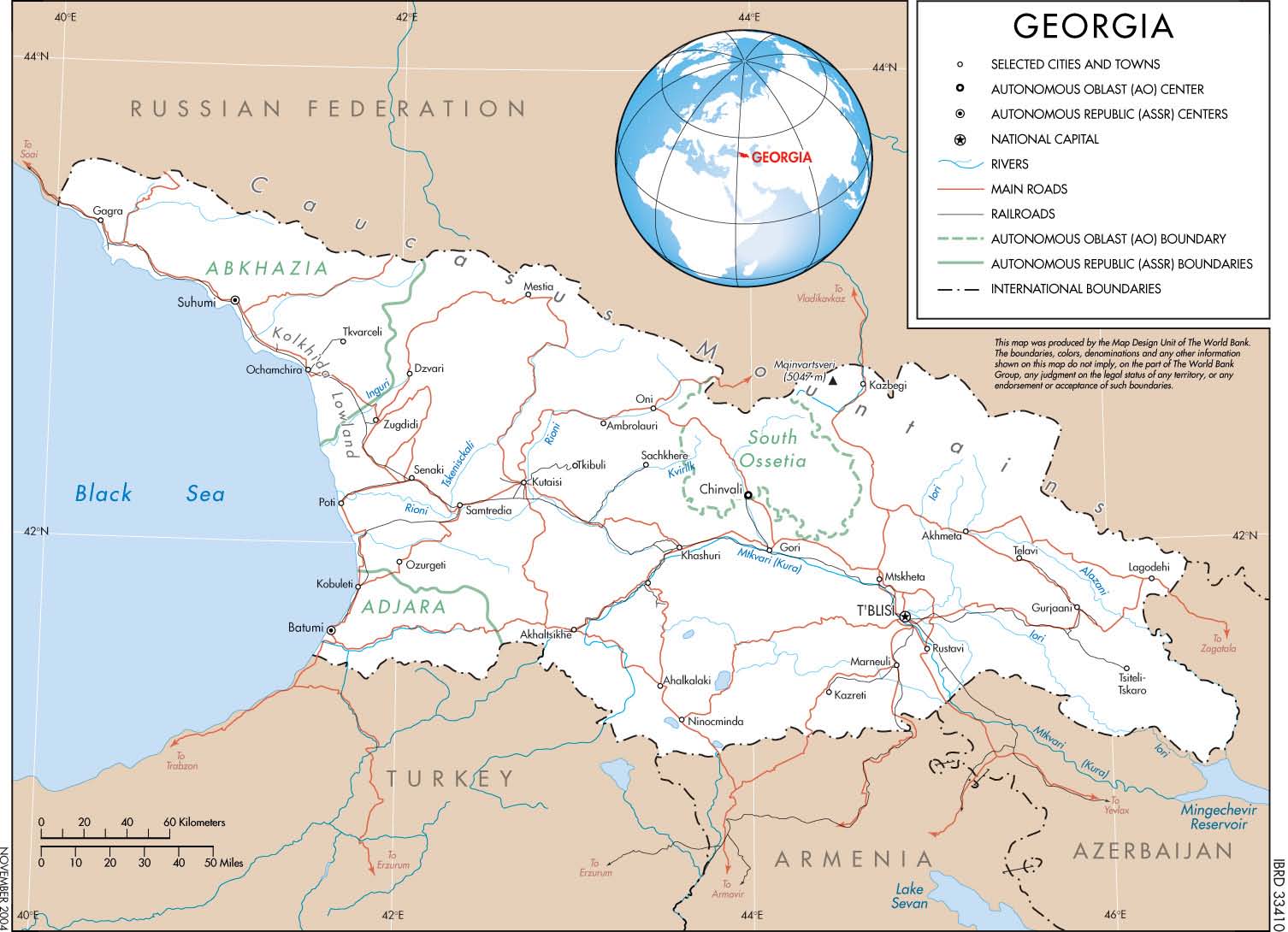
62